Fix or stay on the Ofgem cap? What each choice costs a year
Households on the default tariff face a £2,166 typical bill from January, while the cheapest fixed deals sit hundreds of pounds lower. Billpayers explain why many are staying put anyway.

· 3 min read
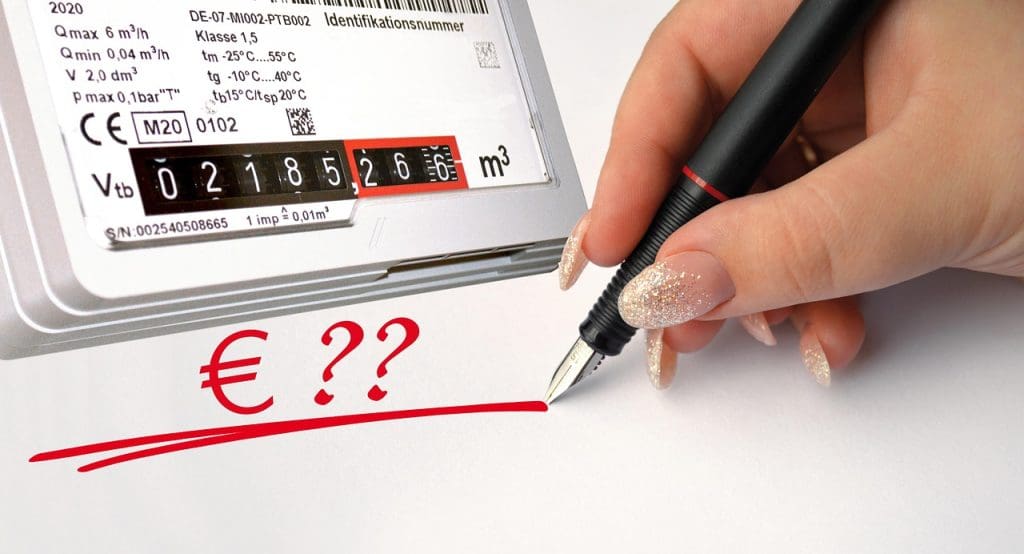
Households on the Ofgem price cap could save up to £412 a year by fixing before January, yet many billpayers say the saving is not worth the risk.
Ofgem confirmed on Wednesday that the cap for 1 January to 31 March will be £2,166 a year for a typical dual-fuel household paying by Direct Debit. That is £443, or 26%, up on the current £1,723, Uswitch reported. The regulator blamed the continuing conflict in the Middle East for pushing up international gas prices, Brit Brief reported.
What fixing would save
According to Uswitch figures cited by the Guardian, the lowest-priced fix is an 18-month tariff from Fuse Energy at £1,754 a year for typical use. Against the new cap, that is £412 a year less, or roughly £34 a month.
Fixing is not a bargain on today’s rates. The same £1,754 is £31 a year above the current cap, and Uswitch says fixed deals do not necessarily undercut the £1,723 level. The gain comes from January onwards.
The saving is not confined to one tariff. Uswitch says the tenth-cheapest fix still beats the cap by £317 or more, which puts every top-ten deal at about £1,849 a year or less. In all, 41 deals come in under the new cap.
Over the three months of the new cap period, the cheapest fix would cost about £103 less than the cap for a typical home. Your own figure will differ with usage and region, so a quote based on your meter readings matters more than the headline averages.
Why people are not rushing
Two-thirds of households are still on the default tariff, the Guardian said. Its readers gave a mix of reasons.
Andy, a retired woodworker on Scotland’s west coast with an electric vehicle and a heat pump, worries about fixing at the top of the market. His current 12-month deal ends next month and he fears prices could drop after he commits.
Hailey, a 36-year-old university administrator in London, found that the cheapest tariffs came from suppliers she had never heard of. She told the Guardian: “Ultimately, the savings on offer weren’t enough to justify the risk.”
Nick, a 52-year-old telecoms product manager in Plymouth, plans to ride out the rise on a basic variable tariff. He says he is fortunate to be able to absorb it. Annette, who lives in Edinburgh, says she cannot sign the two-year contract that many fixes demand because her job is precarious.
Will waiting pay off?
Uswitch’s Sabrina Hoque says the cap is forecast to fall by only 1% in April, so waiting is unlikely to bring much relief. Cornwall Insight’s latest figures, calculated on 23 November, put the April cap at £2,150.61. That is about £15 below January’s level.
To match the cheapest fix, the cap would have to fall by about 19% from January. Cornwall Insight has warned that the wholesale market is volatile and its forecast is likely to change several times before Ofgem announces the April cap in February.
The risk of fixing is real, though. Anyone locked in who wants to leave early may face an exit fee of up to £100 per fuel, the Guardian said, so up to £200 for gas and electricity. A fixed tariff also does not shield anyone from standing charges within the deal, which are baked into the quoted price.
Anyone already on a fix should check the end date. One comparison guide, Energy Bill Toolkit, says exit fees cannot be charged in the final 49 days of a deal, which is the best window to shop around.
Government help is modest by comparison. A one-off £100 payment goes to households in council tax bands A to D in January, and VAT is off electricity bills until July 2027. Cornwall Insight said the VAT removal is already priced into its forecasts, while the £100 sits outside the cap.
Roughly 10 million households are on fixed deals and are unaffected for now, according to figures attributed to Ofgem. For the other 20 million, the decision comes down to how much certainty they want and what they can afford to gamble. The April cap will be announced in February.
Sources: The Guardian, Uswitch, Cornwall Insight, Cornwall Insight, Brit Brief, Energy Bill Toolkit, Utility Matchmaker