Energy price cap: what the 26% rise means in pounds a month
A typical household on direct debit will pay £36.91 more a month from 1 January. Here is where the money goes, what help exists and what Teesside residents say they will do.

· 3 min read
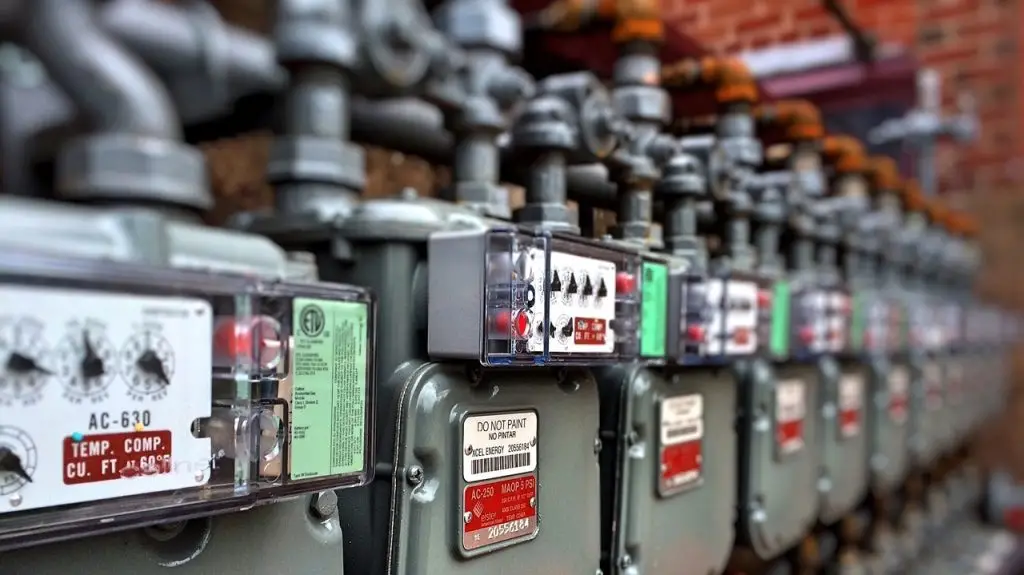
Ofgem’s energy price cap will rise 26% on 1 January, adding £36.91 a month, or £443 a year, to a typical household’s bill.
The annualised figure for a dual fuel home paying by direct debit goes from £1,723 to £2,166 for the period from 1 January to 31 March, according to EDF’s summary of the Ofgem announcement. Spread over 12 months, that is a jump from about £143.58 to £180.50 a month. The regulator confirmed the new level on Wednesday.
Put weekly, the rise is roughly £8.52. But the cap limits unit prices, not total bills, so a household that burns more gas in a cold snap pays more than that average.
Where the extra money goes
Gas is the main driver. The BBC reported that electricity rises from 26.32p to 32.69p per kilowatt-hour, while gas goes from 7.97p to 10.96p. The BBC links the gas rise to higher wholesale costs pushed up by the US-Israel war with Iran.
Using Ofgem’s benchmark home, which burns 9,500kWh of gas a year and 2,500kWh of electricity, our own arithmetic puts the gas bill up by about £24 a month and electricity by about £13. That is consistent with independent calculations showing gas up 32.8% and electricity up 18.5%.
Standing charges, the fixed daily fee, barely move. They are 54.77p a day on electricity and 29.65p on gas, so the rise comes almost entirely from the price of each unit.
For comparison, Ofgem’s announcement a year ago was a 0.2% rise, worth about 28p a month.
Money Saving Expert founder Martin Lewis told LBC that “for every £100 you spend now on energy, you’ll be spending £126” from January to March, LBC reported.
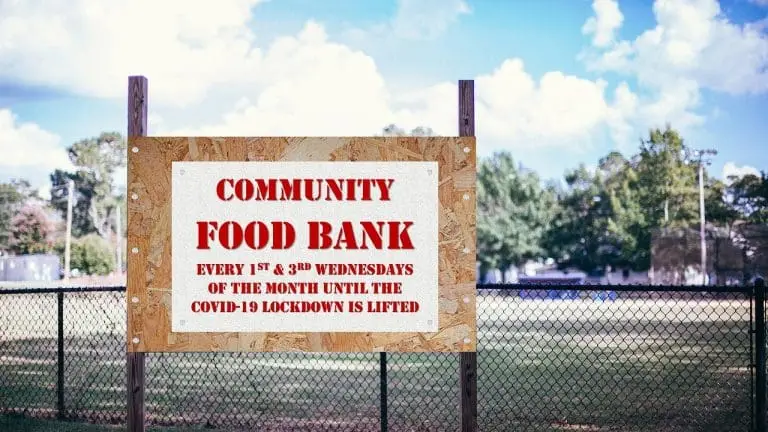
People in Stockton-on-Tees and Darlington have been voicing their worries. The Express Gazette reported that locals doubt the government’s help will be enough. One said rising bills already leave them relying on food banks.
Alexandra Blowers, who has solar panels, told the outlet she still expects to limit her heating: “I layer up because I do tend to get quite cold.” Tim Robinson, on a fixed plan, will not be hit yet but said he was worried for others.
That split matters. About 20 million households are on standard variable tariffs and will feel the rise in January, Teesside Live reported. The BBC says about 11 million households on fixed deals are protected until their term ends.
What help and options exist
The government says a one-off £100 Household Energy Payment will start on 4 January. HQN reported that 13 million households in council tax bands A to D in England will be paid automatically, where councils hold verified direct debit details.
Set against the rise, £100 covers less than three months of the extra £36.91 a month. The BBC also notes a temporary VAT cut on domestic electricity is already trimming about £45 a year from a typical bill.
Practical steps for people on the cap:
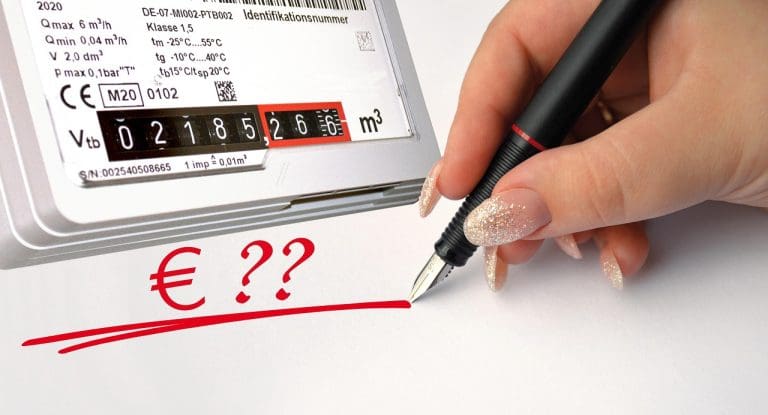
- Give a meter reading on or just before 1 January if you do not have a working smart meter. That avoids being billed for estimated use at the wrong rate.
- Compare fixed deals on a whole-of-market site and check exit fees. A fix gives certainty, but you could be stuck if prices fall.
- Pay by direct debit if you can. Ofgem has said that moving from standard credit to direct debit can cut costs.
- Tell your supplier early if you expect to struggle. Suppliers must offer affordable payment plans or repayment holidays, and most run hardship funds.
Citizens Advice’s Derek Mitchell urged anyone worried about rises to find the cheapest fixed deal available, Teesside Live reported. Consumer expert Iona Bain said fixes now look far more attractive than they did last week.
Homes that heat with oil are outside the cap. The BBC says about 1.5 million UK households use it, and some have seen costs more than double.
The next cap, covering April to June, is due from Ofgem by 23 February 2027, according to EnergyPlus.
Sources: Teesside Live, LBC, The Express Gazette, HQN, EDF, Ofgem, BBC News