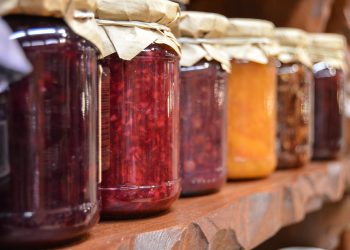
Prime Minister Andy Burnham has urged UK households to keep tinned food and bottled water at home, as the government’s Be Ready campaign gets under way and prepping shops report a surge in orders but no sign of panic buying.
Burnham spoke on Friday 23 October at a wildfire resilience summit in Liverpool and on BBC Radio 5 Live, as storms hit parts of the country. Yahoo News, carrying PA reporting, said he described “unexpected events” as becoming more common.


The prime minister said the aim was calm preparation. The Business Standard, citing the BBC, quoted him as saying it was about “taking sensible measures to have enough in the house to tide you over”. He named beans, soup and Twiglets as his own cupboard staples.
What the government is asking for
Be Ready launched on Thursday 22 October. The government wants households to hold enough to cope for three days if services such as power, water, phones or the internet fail, whether through severe weather or a cyber-attack.
ITV News reported that the guidance puts drinking water at three litres per person per day, with extra needed for cooking and washing. Food should need no fridge, such as tinned meat, fish or vegetables, and dried fruit and nuts, according to LADbible’s rundown of the checklist.
The list also covers a torch and spare batteries, an FM radio that runs on batteries or a hand crank, blankets and warm clothing, and hygiene items. People who take regular medication are told to keep a reserve.
Ministers say better-prepared homes would let emergency services concentrate on the people who need help most. Defence Secretary Wes Streeting said he wanted the public to be “alert but not alarmed”, and that the advice was not prompted by a specific threat, according to Eastern Eye.
The campaign asks people to look through their cupboards first and add items bit by bit during normal shopping trips, specifically to avoid a rush on shelves.
What people are buying
Specialist retailers say interest is high. The Guardian reported that Jack Brown, co-owner of Sgt Prepper Shop, took a month’s worth of orders in the first 24 hours of the campaign.
Brown called three days the “sweet spot”, enough for most power cuts, burst mains or floods. He said a month’s supply would feel overwhelming, and most people would simply do nothing.
Dan Goss, who runs Start Prepping UK, said visits to his website were up 700% since news of the campaign emerged in August. He said the risk of panic was low because it would take a huge number of people all acting at once.
Dr Sarita Robinson, of the University of Lancashire, told the Guardian there was little evidence that clear messaging causes panic. She said the problem for governments comes when information is withheld.
She added that Covid research from her team found people who did mild prepping beforehand reported lower anxiety, depression and stress.
The Guardian noted there is no evidence so far that the advice has triggered mass panic buying. Burnham himself admitted to Radio 5 Live that he had not yet followed all the advice, the BBC reported. He noted that Ireland, France and the Netherlands have given similar guidance for years.
Sources: The Guardian, BBC News, ITV News, Yahoo News UK (PA), The Business Standard, Eastern Eye, LADbible
This story was compiled by the MDW Newsdesk with AI-assisted tools, using the reporting credited above.