The rise of the “unreal woman”
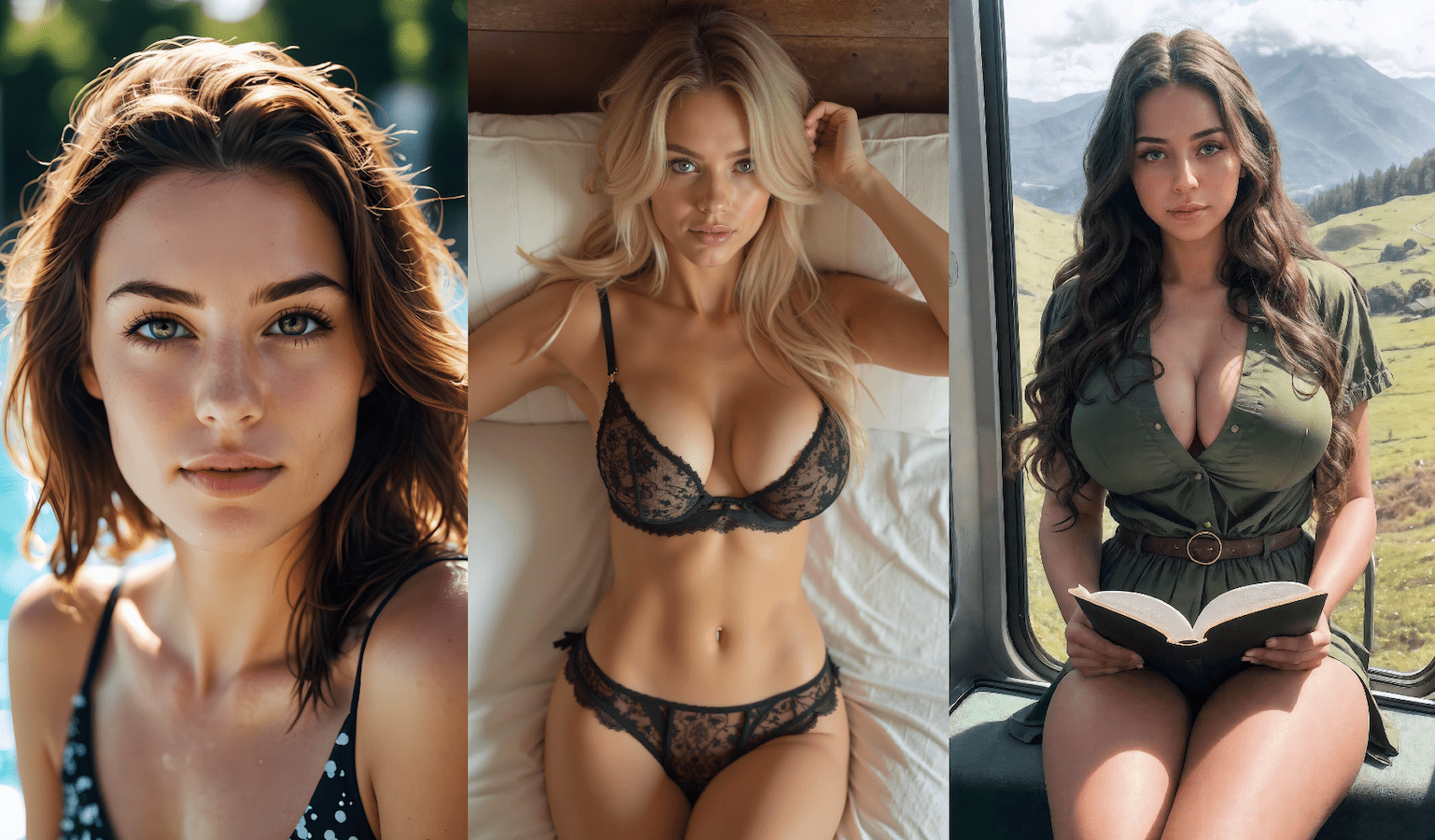
In the space of a few years, AI systems moved from playful filters to full-scale virtual models and influencers. These synthetic faces and bodies are engineered for flawless symmetry, poreless skin and impossible proportions — then distributed at algorithmic scale. The result is a narrow, homogenised aesthetic that’s optimised to grab attention, not to reflect reality or human diversity.
Why it matters: from screens to society
Unrealistic beauty standards aren’t new, but AI accelerates and normalises them. Three compounding risks stand out:


- Relationship disengagement: When the “ideal partner” is an always-available, hyper-perfect digital construct, real people — with quirks, needs and flaws — can seem less appealing. Over time this can dampen motivation to date, commit or build families.
- Distorted expectations: AI-polished imagery resets baselines. People compare themselves (and potential partners) to perfection that no human can match, fuelling dissatisfaction and conflict.
- Population-level effects: If large groups disengage from relationships, knock-on effects may include lower birth rates, greater loneliness, and heavier mental-health burdens — trends already worrying policymakers in many developed countries.
Early-warning indicators
- Virtual influencers and models — increasingly booked by brands — often embody a single, idealised template.
- Filter-driven self-image drift — heavy exposure to edited or synthetic images correlates with body dissatisfaction and perfectionism.
- Escapist digital intimacy — growth in parasocial and AI-mediated “companionship” suggests a preference shift from complex relationships to friction-free fantasy.
Important: Beauty is in the eye of the beholder — not in a computer’s optimisation function. Algorithms reflect data and design choices; they do not possess taste, culture or human context. Reducing beauty to what performs best in a feed is a category error, and a harmful one.
The existential risk (without robots)
“Destroy humanity” here doesn’t mean killer machines. It means the slow erosion of human connection: fewer partnerships, fewer families, thinner social ties. If people increasingly choose optimised simulation over imperfect reality, the social fabric frays — not with a bang, but with a quiet opting-out.
What we can do now
- Label synthetic media: Clear, platform-level disclosures for AI-generated or heavily edited images.
- Design for diversity: Brands and creators should commit to broader, realistic representation — age, size, skin, ability, and culture.
- Media literacy at scale: Teach how algorithms curate attention and how synthetic aesthetics can warp expectations.
- Champion real connection: Policies, campaigns and community spaces that make meeting, dating and family life easier — and more appealing — in the real world.
Bottom line
AI can render faces that stop you scrolling — but a life spent chasing optimised pixels is a lonely one. The human heart is gloriously imperfect. Let’s keep it that way.
FAQs
Are AI-generated influencers real people?
No — they are synthetic identities created with AI tools and design software, often run by agencies or brands.
Do AI beauty filters change how we see ourselves?
Heavy use can shift expectations and increase dissatisfaction by normalising impossible standards.
Could AI aesthetics affect relationships and family formation?
Yes — if people prefer friction-free digital fantasy to real partners, we may see less dating, fewer long-term commitments and wider social impacts.