Cyprus has recently made headlines for all the wrong reasons. Lebanese rockets struck the island – the first deliberate attack in four decades – and for a brief moment the world wondered whether the eastern Mediterranean’s most welcoming destination might finally flinch. It didn’t.
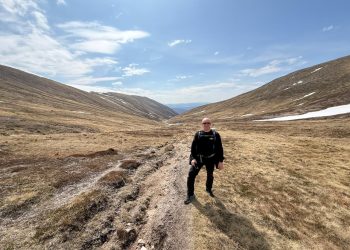
My hiking guide Nico, a former Cypriot trooper, told me matter-of-factly that he had personally sheltered his American guests when the rockets hit. When I asked whether the strike would change anything, he simply looked at me and said: “Our beautiful island has welcomed visitors for so many years – we will continue to keep our hospitality.” He was right. If anything, the marginally quieter island in the run-up to high season gave a sense of tranquillity that the usual summer crowds might have diluted.


Locals in Paphos’ historic harbour went about their days as though nothing was amiss. Worshippers gathered in archetypal Greek Orthodox churches as they have done daily for centuries. Fishermen brought in their catches. Restaurateurs welcomed diners. Guides led their groups across ancient sites exactly as they do every year.
When I met deputy minister for tourism Kostas Koumis, he was equally unfazed. “Cyprus keeps our guests happy and in comfort,” he said. “We know how to look after all our friends like they look after us.”
Ancient wonders, mythical waters
The resilience of Cyprus is perhaps unsurprising when you consider what the island has already survived across millennia. The Mosaics of Paphos – an extraordinary open-air archaeological site containing some of the finest surviving ancient Greek floor mosaics in the world – speak to a civilisation that has endured far greater disruptions than a rocket strike.
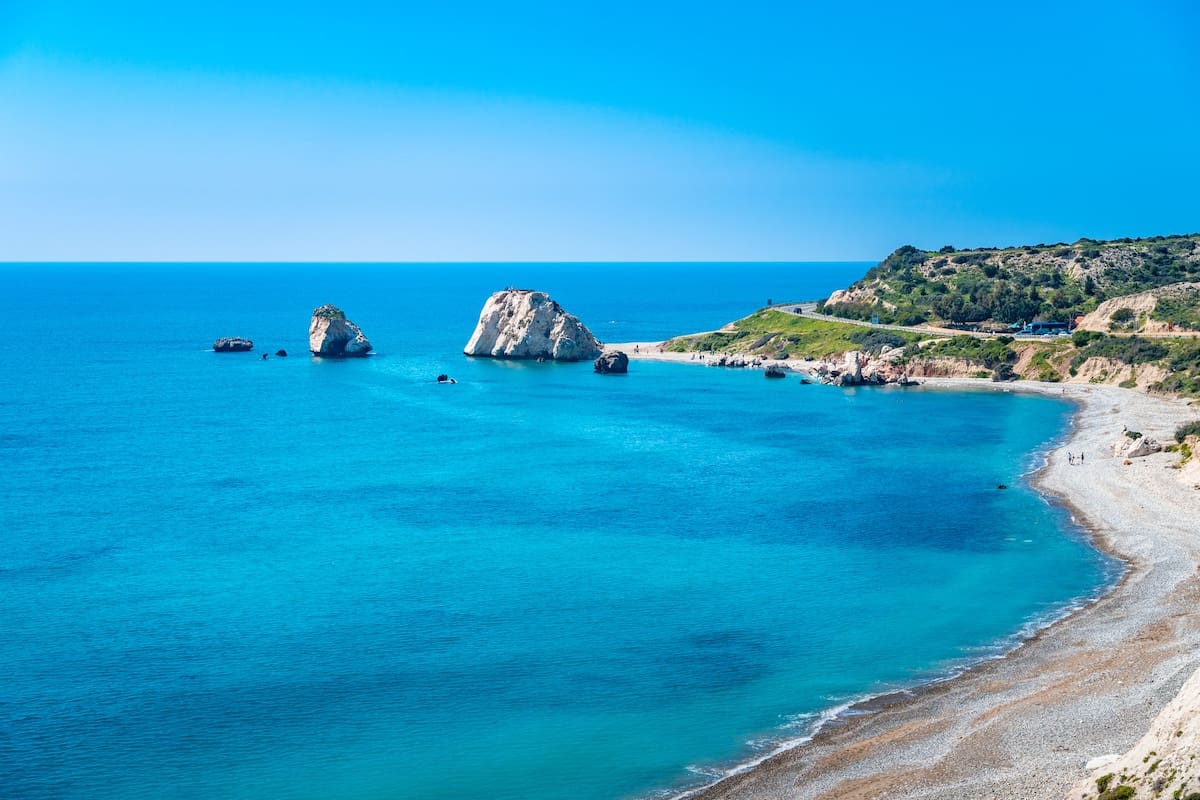
Further along the coast lies Petra tou Romiou, the legendary birthplace of Aphrodite. The goddess of love is said to have emerged from the sea here, and local legend holds that anyone brave enough to swim around her rock three times will be beautiful forever. I can confirm the water is cold enough to make beauty feel well earned.
Inland, the road climbs dramatically towards the heights of Cyprus’s Mount Olympus – not to be confused with its more famous Greek mainland namesake – through pine forests dripping with waterfalls. It is the kind of landscape that makes you understand why the ancients believed gods lived here.
Where I stayed: Asimina Suites
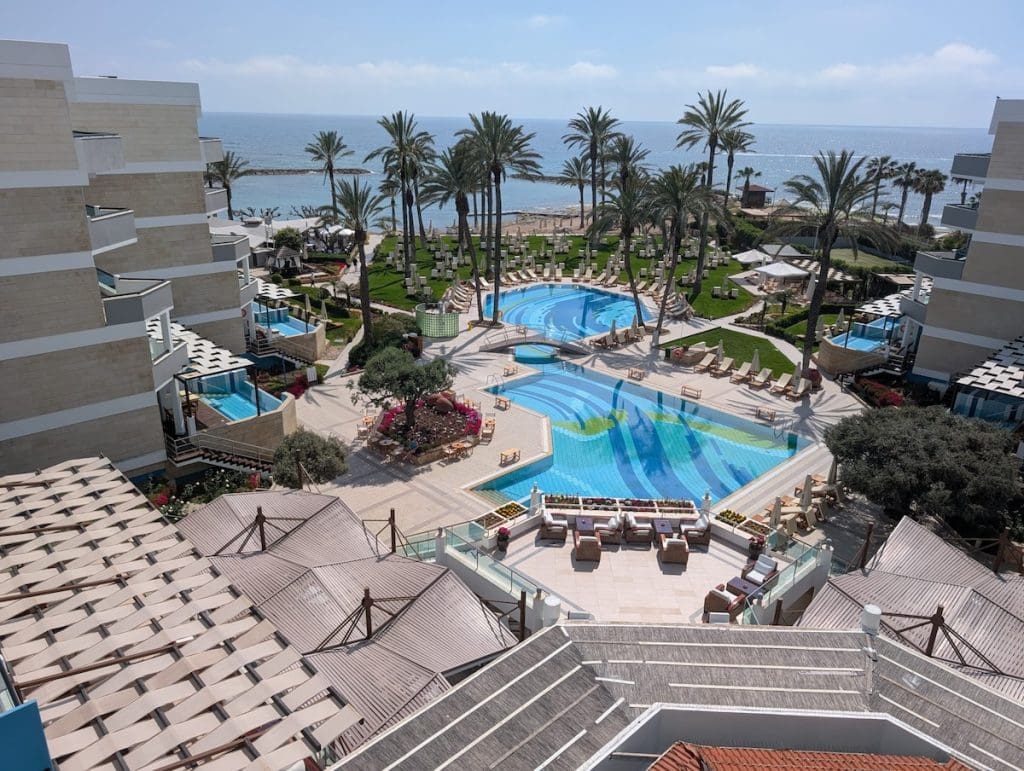
The most restorative part of my visit was my stay at the Asimina Suites Hotel by Constantinou Bros in Paphos. The property has just completed a significant renovation, adding an entirely new floor of deluxe superior suites on the fifth level – the best rooms in the house, with views to match. The centrepiece of the refurbishment is a stunning west-facing rooftop bar with panoramic glass frontage that frames a different shade of Mediterranean sunset each evening.
Rooms throughout are finished to a high standard, but it is the staff who truly define the experience. Impeccably polite, warm and genuinely engaged, they embody what sales manager Mark Richardson – who has worked for the Constantinou Bros group for 21 years – describes as “an ingrained desire to offer a personal service to all their clients and to interact with them one to one as much as possible.” Richardson told me he planned to visit many restaurants on his own holiday last year but ended up barely leaving the property. Having experienced it myself, I understood completely.
Head chef Panagiotou Panagiotis runs cooking classes for guests in salt-baked fish and lamb kleftiko, the pool is serene, the sauna facilities excellent and evening entertainment ranges from traditional Greek dancing – where guests are enthusiastically encouraged to join in – to talented local and international singers. The massage, I was reliably informed, is not to be missed either.
Cyprus has been welcoming visitors for thousands of years. A few rockets were never going to change that.
Book it: We booked the flights and the Asmina hotel via Jet2Holidays. Prices start from £1,319 per person based on two sharing a Junior Suite with land view on a bed and breakfast basis. For example, departing Gatwick for seven nights in June 2026, including 22kg luggage and private transfers. Board upgrades are available: half board from £1,439, full board from £1,529 and all-inclusive from £1,639 per person.