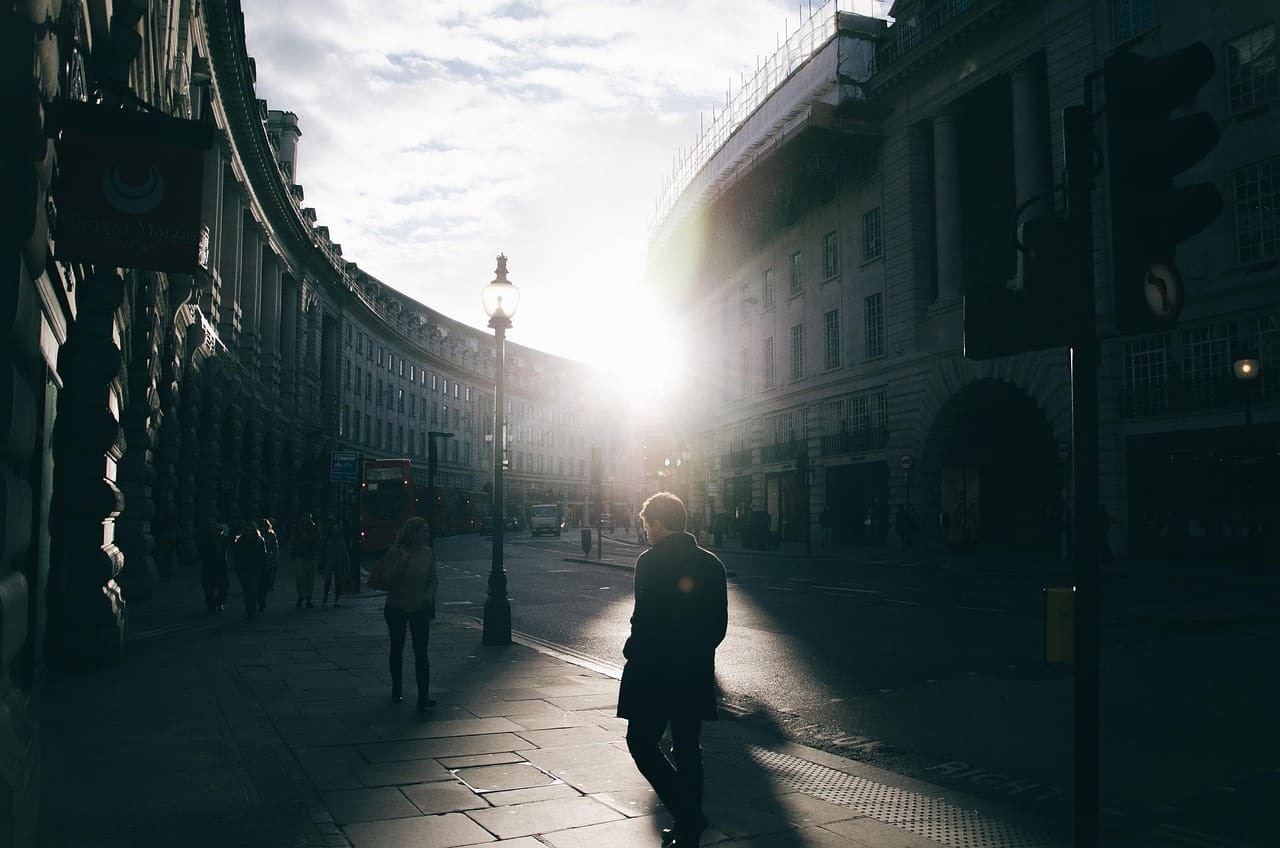
Almost a kilometre of Oxford Street, between Orchard Street and Great Portland Street in central London, became permanently traffic-free on Monday 26 October for the first time.
The ban covers cars, buses, taxis, private hire vehicles, bikes, scooters and pedicabs, according to the Mayor of London’s office. It applies around the clock.


Emergency vehicles can enter at any time. Deliveries are allowed between midnight and 7am, and Gulf News reported, citing the PA news agency, that mobility scooters keep access.
Sadiq Khan, who has championed the scheme, said at the launch: “It is a truly momentous occasion for the capital.”
What it means for buses
Buses have been moved to surrounding streets. Time Out reported that routes including the 7, 94, 98, 139 and 390 no longer run along the stretch. Night routes N7, N98, N113, N137 and N207 have also been moved.
Most services now use Wigmore Street and Henrietta Place. TfL says the new stops on Wigmore Street, Henrietta Place and Cavendish Place are about 200 metres from the traffic-free area.
Not everyone is convinced the diversions will work. The Fitzrovia News reported that TfL’s own assessment puts bus delays at several minutes. The paper said Wigmore Street is already busy and that a major construction site at Cavendish Square adds to the pressure.
Some buses will also have to make around eight turns through narrow side streets, the paper reported.
The same report said cyclists have been left out of the diversion plans. According to TfL, cycling provision will come later and will be handled by Westminster City Council.
Shops, shoppers and the row
The pedestrianised section includes the flagship stores of John Lewis and Selfridges, ABC News reported. City officials estimate the street contributes about £25bn a year to London’s economy.
The mayor’s office says the change comes in time for the busiest retail period of the year. Supporters hope more space, seating and greenery will bring back shoppers after years of decline.
The scheme has a long history of dispute. The Week reported that Westminster City Council, which controls the area, opposed it, and that the project is costed at £150m. Plans from 2018 were dropped after the council withdrew its support.
Residents’ groups in Fitzrovia, Marylebone, Mayfair and Soho opposed the plan because traffic would be displaced into their streets. Others have questioned how elderly and disabled visitors who relied on vehicles will reach the shops.
A public consultation in 2025 drew 6,642 responses, and the mayor’s office said two thirds of respondents backed the plan.
ABC News described this as a first phase that will test how well the street works for people with accessibility needs. TfL says it is monitoring traffic on the diversion routes closely.
Sources: Mayor of London, Time Out, The Fitzrovia News, Gulf News, ABC News, The Week
This story was compiled by the MDW Newsdesk with AI-assisted tools, using the reporting credited above.