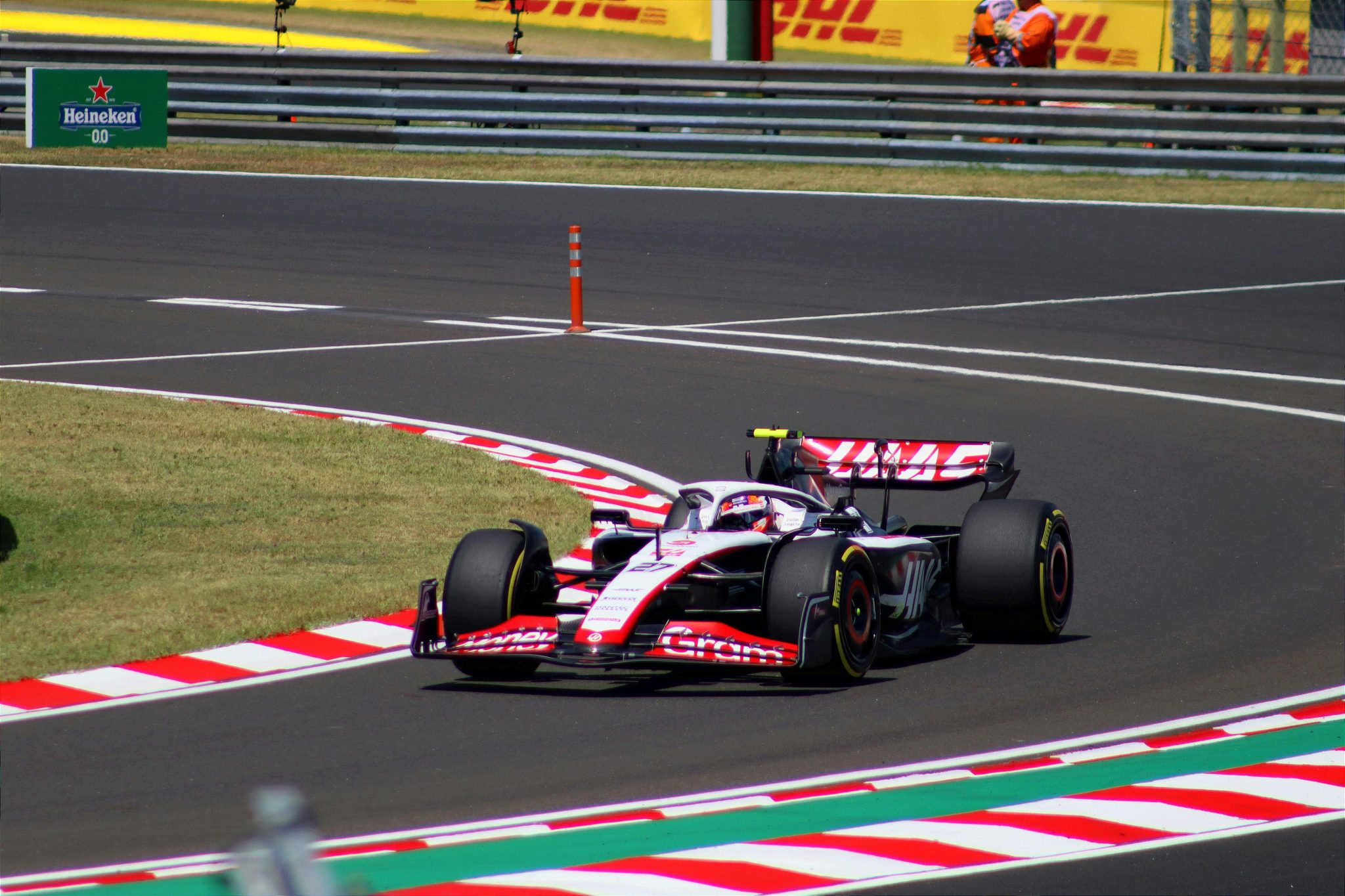
In late January 2026, Formula 1 entered a bold new technical era with a five-day private shakedown at the Circuit de Barcelona-Catalunya in Spain. This weeks running is the first real running for the radically redesigned 2026 cars It wasn’t an official public test with live timing or media access, but it provided the first opportunity for teams to see their rivals cars up close and collect vital data in the build-up to the season’s opening rounds.
This year’s test format was revised to accommodate the most extensive regulation overhaul in recent memory, with changes affecting aerodynamics, chassis design, power units and sustainable fuels. Unlike previous seasons, teams were allowed to run on three of the five days under closed conditions, giving engineers time to shake down new systems, build reliability and begin tyre and aero mapping in private before official sessions in Bahrain.


Barcelona: Closed Doors but Big Signals
Though behind closed doors, the Barcelona shakedown quickly became a focal point for analysis. Teams arrived with widely varying approaches:
- Mercedes came out of the gates strong. Their W17, running with both George Russell and Andrea Kimi Antonelli completed the most mileage of any team. Reliability was the biggest takeaway, with Mercedes managing consistent running and even executing a race simulation on only their second day of testing.
- Ferrari used varied conditions to evaluate their SF-26. Charles Leclerc and Lewis Hamilton tackled both wet and dry running, testing responses from the car’s new active aerodynamic systems and collecting vital data that will be analysed back at Maranello.
- McLaren, Alpine, Red Bull, and others also logged strong lap counts, focusing on both durability and understanding their cars under different loads and temperatures. McLaren reported a productive few days, covering more than 1,300 km while sharing driving duties between Lando Norris and Oscar Piastri.
- Meanwhile, Williams opted not to participate in Barcelona. Team principal James Vowles explained that the FW-48’s development schedule slipped in pursuit of performance, meaning the car wasn’t ready in time. Williams will join the programme at the official Bahrain tests instead.
On-Track Highlights and Times
Although official timing wasn’t publicly released, independent reporting and internal team data gave a strong picture of competitive activity:
- Lewis Hamilton ended the week with the fastest unofficial lap time at 1:16.348, set on soft tyres late on the final day.
- Mercedes’ duo of Russell and Antonelli led overall mileage, completing more than 500 laps between them, showcasing strong reliability and consistent running across multiple programmes.
- McLaren’s Lando Norris and Ferrari’s Charles Leclerc also featured high in the unofficial times, indicating a healthy early performance window for those teams.
The shakedown confirmed that tyre management, aero balance and hybrid power delivery will be key focal points as teams refine their setups heading into Bahrain.
Dramatic Moments and Setbacks
Not all was smooth. The closed session still saw a few noteworthy incidents:
- Red Bull’s Isack Hadjar suffered a crash in wet conditions, emphasising the challenges of new machinery and unpredictable early-season weather. The team paused to assess car damage.
- Aston Martin missed a significant chunk of the test due to delays with their AMR26 car, relegating Fernando Alonso and Lance Stroll to limited track time.
Even with these setbacks, no serious incidents were reported, and teams generally remained upbeat about their packages’ early reliability.
What Teams Shared
Drivers and team heads were candid about their impressions:
- Lewis Hamilton said the shakedown was “a hugely enjoyable week,” highlighting Ferrari’s progress and the thrill of running the new regulations in anger.
- Across the paddock, engineers stressed the importance of the shakedown as a crucial first step in development, verifying mechanical systems, cooling performance, and the intricacies of active aero before media attention increases in Bahrain.
There was a clear sense that teams who maximised mileage and data in Barcelona would be better positioned once the official tests and early races begin.
What’s Next: Bahrain and Beyond
With the Barcelona stage now complete, attention turns to the official Bahrain pre-season tests:
- Test 1: 11–13 February at the Bahrain International Circuit
- Test 2: 18–20 February at the same venue
- Season opener: Australian Grand Prix, 6–8 March
These upcoming sessions will offer the first public look at the cars and performance hierarchies, with live timing, media coverage and fan access providing more transparency than Barcelona’s closed shakedown.