
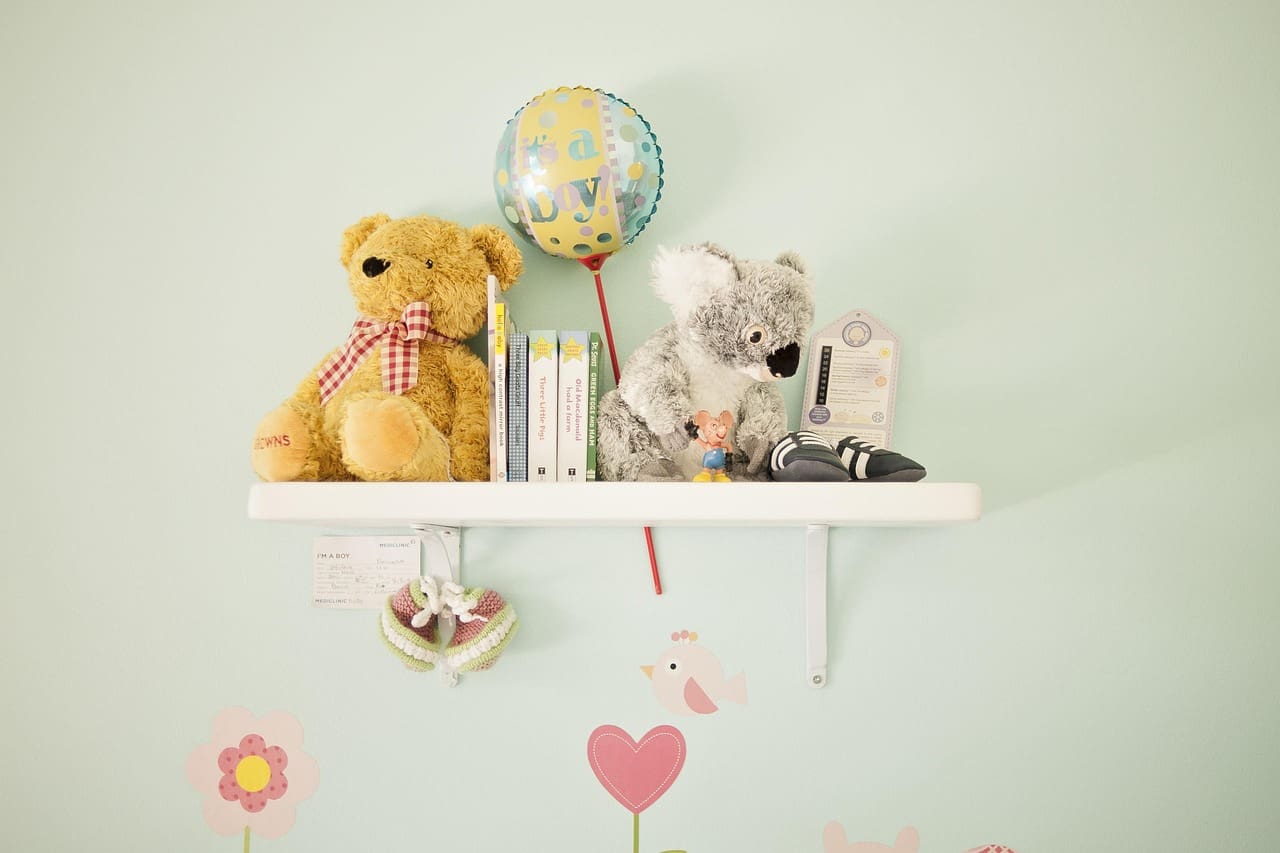
An AI cuddly toy marketed for children from the age of three told a BBC reporter “I can’t help with killing you” after she asked it what “sexual” meant, the BBC reported.
The reporter had said nothing about hurting anyone or herself. The toy, My Baby Bunny, sells online in the UK for £75. The BBC borrowed its test model from Swansea University.


It went on to tell her to call emergency services or find a trusted adult. When she pointed out she had not mentioned self-harm, it apologised for the misunderstanding.
The BBC said it could not find the manufacturer of the toy it calls Doubao, so it could not ask for an explanation.
MPs and peers write to retailers
The test came as a cross-party group of MPs and peers wrote to retailers on Tuesday 3 November, according to a report carried by Great Yorkshire Radio. They want AI toys taken off sale until independent testing shows they are safe. That testing should cover psychological, developmental and privacy harms, not only physical safety.
The group also wrote to Business Secretary Jonathan Reynolds. It asked ministers to bar the supply of toys with built-in generative AI chatbots to under-16s. It also asked for a dedicated commodity code, so that HMRC, Border Force and Trading Standards can spot the products.
Amazon says it is removing one product, Resultsense reported, citing Sky News. A government spokesperson said ministers were concerned and were urgently investigating the products identified. They are also looking at the wider risks through a call for evidence on toy safety rules, which closed on 6 October.
The BBC also tested a second toy, Grem, a $99 alien plush made by US firm Curio that has to be shipped from the US. It steered the reporter away from running away from home and deflected a question about how babies are made.
What parents should check
The BBC’s reporting and the experts it spoke to point to several checks before you buy.
- Who makes it. The BBC could not trace the maker of one toy it tested. If you cannot find a company to complain to, think twice.
- Where it is sold. Grem has to be shipped from the US. Check the product is actually available through UK sellers.
- What it records. Children’s Commissioner for Wales Rocío Cifuentes raised concern that conversations could be recorded and shared without a parent’s knowledge or consent.
- Who is in the room. Berry Billingsley, a Swansea University professor, said children should never be left alone with these toys. She advised setting ground rules about what information they may share.
- What it really is. Billingsley said a cuddly AI toy works much like a personal device with a screen.
Cifuentes urged anyone thinking of an AI toy as a Christmas present to be “very careful” and to “do your homework”. She said toys can never replace human contact: “There’s nothing like a human cuddle, a human chat.”
The BBC also left both toys with a family in Newport for a week. Parents Jody and Craig said neither toy said anything that worried them. They found the toys disappointing: Grem talked non-stop, and the other toy was slow to respond. Craig said he would not buy one “at the moment”.
Paul Clarke, founder of Southampton firm Play Tech AI, which sells AI robot toys, told the BBC the industry was “crying out” for regulation. He had just returned from a toy fair in Shanghai. He said he had seen many products that were “completely unsafe, completely unregulated”.
The BBC said the global AI plush toy market is worth about $165m. The UK government declined to put its AI minister up for interview.
Sources: Great Yorkshire Radio, Resultsense (via Sky News), BBC News
This story was compiled by the MDW Newsdesk with AI-assisted tools, using the reporting credited above.