By Mark McConville
THE UNUSUAL methods Britain used to fight organised crime during the height of Empire that included the distribution of opium to flood the black market by a maverick imperial Governor have been revealed in a new book.
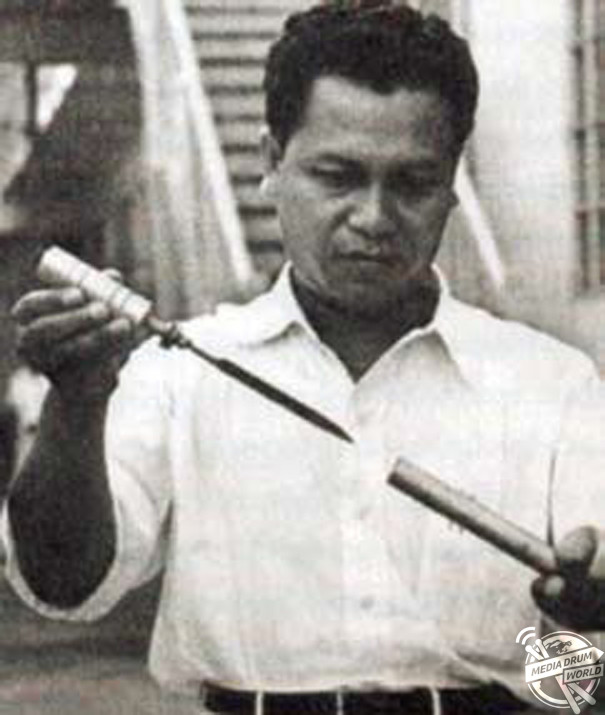
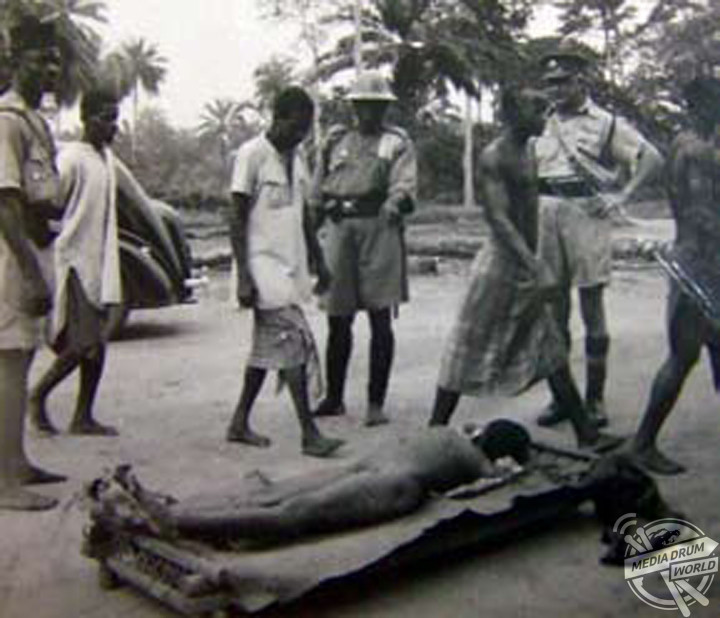
Rare images offer a glimpse into the criminal underworld of the British Empire and those who policed it as an executed Chinese criminal lies beheaded and a zinc cylinder for storing opium inside a camel’s stomach is pictured.
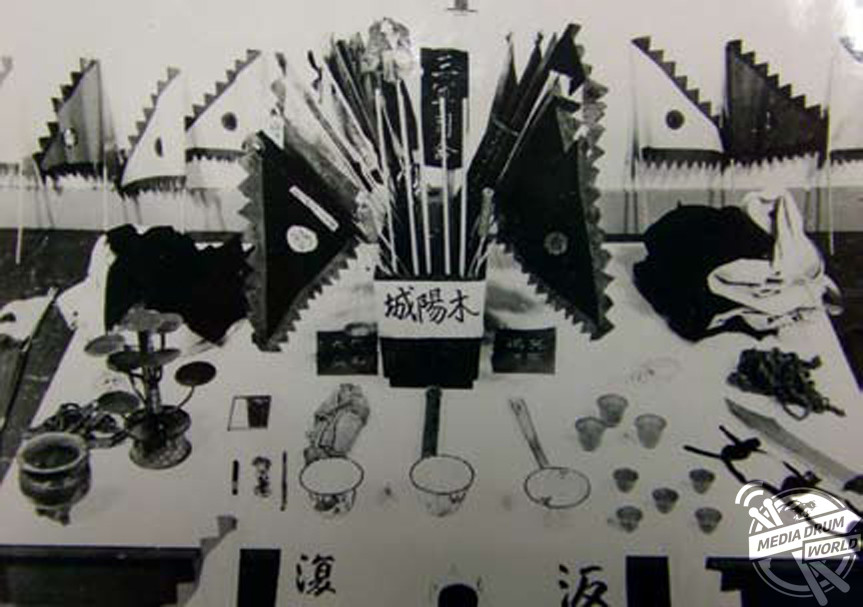
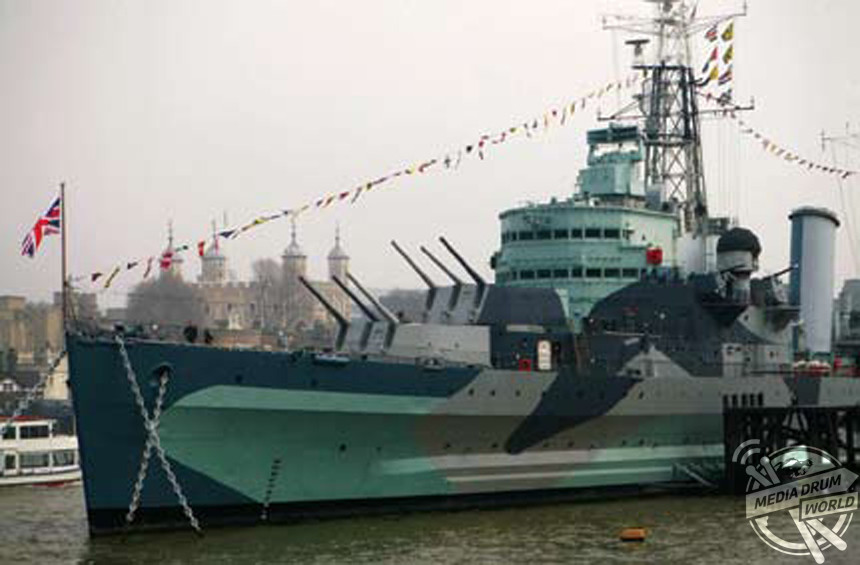
Other incredible images show the pioneering drugs-busting investigator and head of the Federal Bureau of Narcotics Harry J. Anslinger and HMS Belfast, which now sits with pride of place on the Thames, but was once infiltrated and used by the Triads to smuggle narcotics around the world.
The historical photographs are showcased in a new hardback edition of the book, Empire of Crime, by Tim Newark and published by Pen and Sword.
Some of the more unusual methods for policing crime in the British Empire are explored in the book.
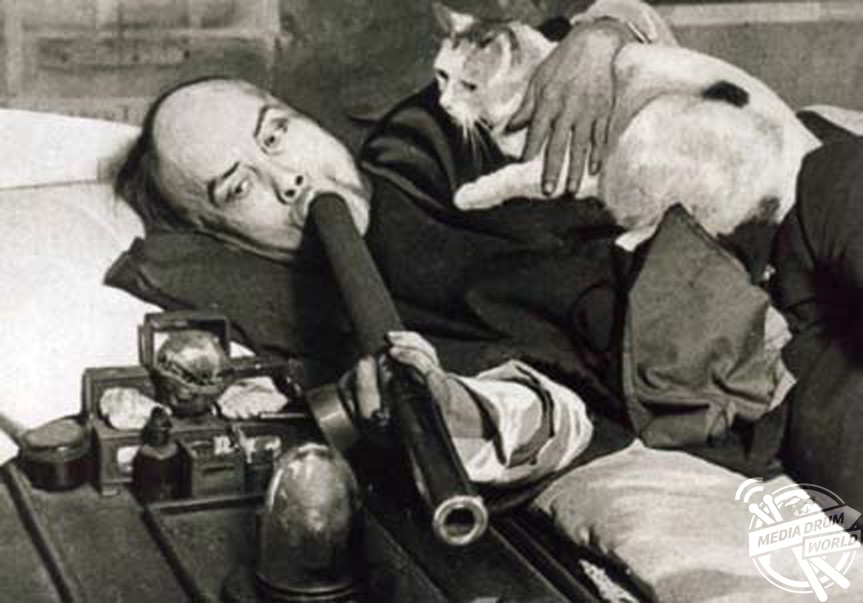
“Chinese refugees fleeing civil war in the mainland presented a major problem to Sir Cecil Clementi, Governor of Hong Kong in the 1920s,” Mr Newark explained.
“Faced with a shortfall of opium to meet the needs of thousands of new addicts, he knew that something dramatic had to be done.
“Rather than seeing the opium trade fall into the hands of criminal smugglers. Sir Cecil took the unconventional initiative of becoming a major dealer himself.”
In defiance of the British Government’s own anti-drugs stance, Sir Cecil organised the purchase of large quantities of opium directly from Persia to dump on his home market and put the smugglers out of business.
While he waited for official approval from London, Sir Cecil even entered into negotiations with other colonies to supply them with much-needed opium too.
It was an extraordinary experiment and Sir Cecil noted with delight the dramatic fall in opium related crime in his own colony, but the Whitehall bureaucrats couldn’t put up with this for long and demanded he cease dealing in opium.
Britain had taken the moral high ground and agreed to end its lucrative export of opium from Imperial India to China in 1908 but it unleashed a century of criminality.
“Empire of Crime is the dark underbelly of our colonial history,” said Mr Newark, “and it makes a stark contrast to the story we are familiar with.”
“This book is the first to reveal the full extent and variety of organised crime within the British Empire and how gangsters exploited its global trade routes to establish a new age of criminal networks that spanned the world.”
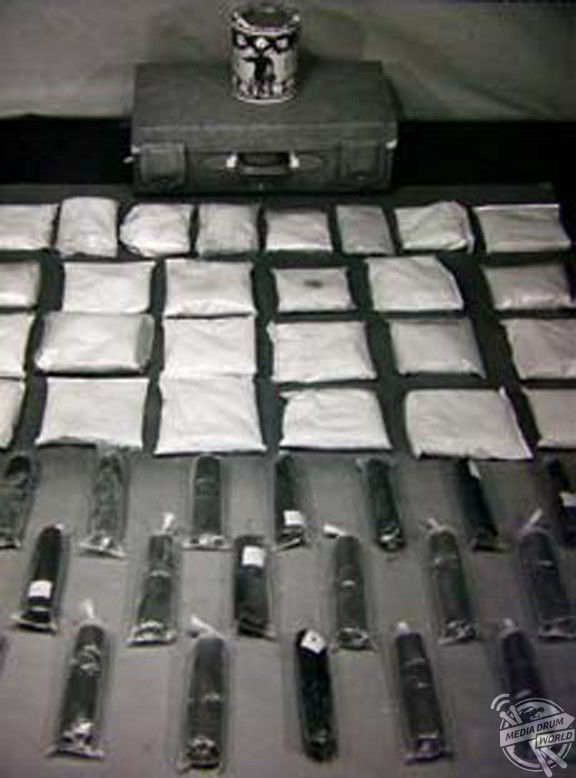
One of the most extraordinary revelations in the book is that international gangsters even took the liberty of using the very weapons of imperial power—Her Majesty’s Royal Navy—to smuggle drugs from continent to continent.
HMS Belfast—now an iconic museum ship moored in the River Thames—was once packed with Triad narcotics from Hong Kong intended for distribution in America.
If Britain had handed a great gift to organised crime, it was also took on the burden of pursuing the purveyors of this new evil.
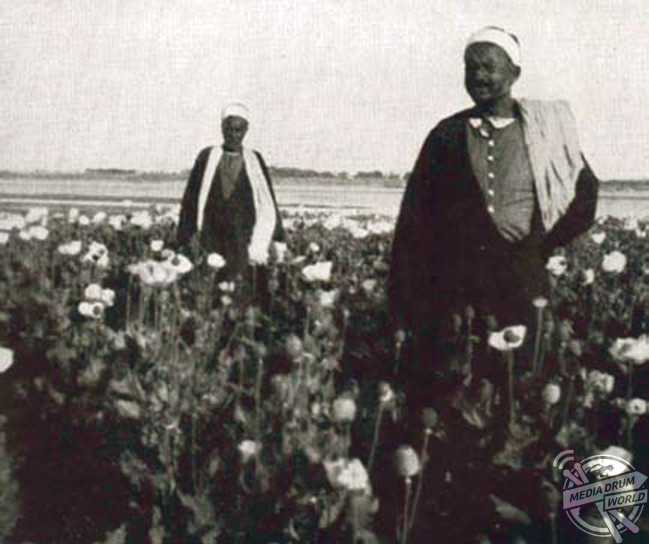
“Principal among these innovative drugs-busting investigators was Russell Pasha, Commandant of the Cairo Police, and founder of the Central Narcotics Intelligence Bureau,” added Mr Newark.
“Seeing the damage caused by a new wave of opium-derived drugs, especially heroin, on the streets of the Egyptian capital, he set about pulling together evidence of a vast international network linking East with West.
“His agents exposed the opium fields guarded by narcotics warlords and tracked down the corrupt pharmaceutical companies in Western Europe happy to sell thousands of kilos to ruthless master criminals.”