
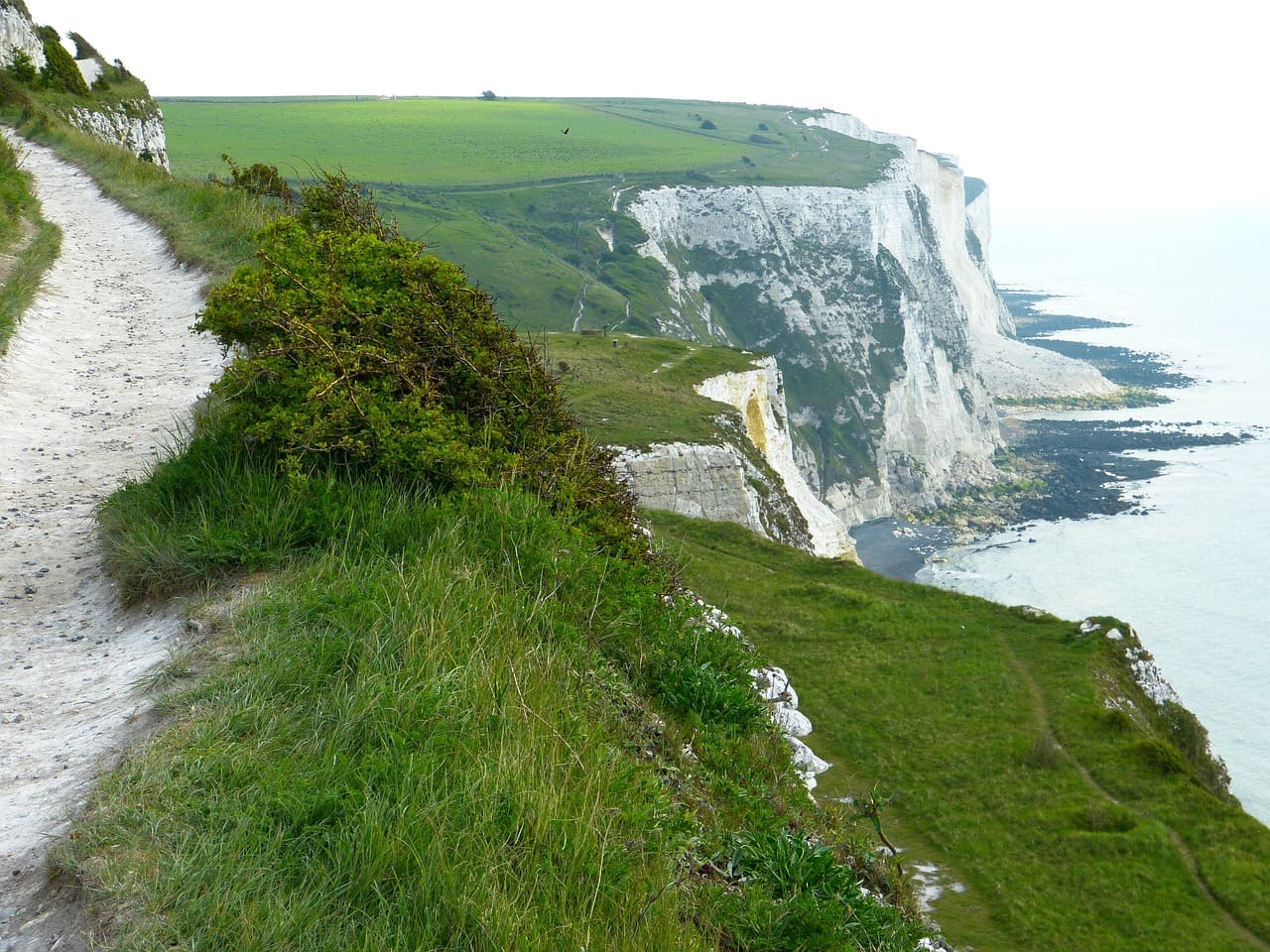
A Second World War command bunker buried four metres deep in the white cliffs of Dover opens to the public for the first time on Friday 13 November, with tours entering through a hatch in a field.
The Fan Bay plotting room, run by the National Trust, directed the guns that defended the Strait of Dover. The Guardian reported that it was ordered on the instruction of Winston Churchill.


Churchill’s order
Churchill visited the Kent coast soon after his “fight them on the beaches” speech and was alarmed to see enemy ships passing through the strait unchallenged. Dover was also under regular bombardment from German guns in occupied France, about 21 miles away, according to BritBrief.
In a July 1940 memo, he wrote that Britain had to fight for command of the straits by artillery. He demanded the most advanced technology and weekly progress reports.
The battery was in place in about three months. The bunker was finished 64 days after that, the Guardian said.
Jon Barker, who led the National Trust’s excavation, said the guns were known locally as Churchill’s pets.
A computer in the cliff
At the heart of the room was a 1.8-metre electromechanical computer called a fire direction table. It worked out where moving ships would be when shells landed and produced firing instructions for the gun crews.
Barker said it was nothing like the map tables of war films, where Wrens push markers around. “It was a Tutankhamun moment for a conflict archaeologist,” he told the Guardian of the day in 2017 when he became the first person to enter the rediscovered room.
Up to 10 people worked there at a time. The machine was deliberately destroyed in 1957, when the bunker was mothballed, so it could not fall into enemy hands. The site stayed classified until 1981.
Records are thin. Barker said what is known about the machine comes largely from a manual and from marks left on the floor, and he wants to hear from relatives of anyone who served there.
Only a handful of operators have been identified. One was the actor Wallas Eaton, later seen in the television comedy Up Pompeii. Another was Lance Bombardier WP Bryant, a tailor in civilian life.
The Kent heritage record describes Fan Bay Battery as three 6-inch guns set up in late 1940 and designed to attack ships.
The room has been conserved rather than restored. Visitors will see old newspapers, shoes and official notices left on the floor, along with peeling paint. Chalked graffiti in a service tunnel praises “heroes” named Dodds and Petitt, who Barker thinks may have laid cables.
Volunteer Gordon Wise said, according to Yahoo News UK, that the research had “changed how I see the room”.
Visits are by guided tour only. Places must be booked in advance through the National Trust.
Sources: The Guardian, Yahoo News UK, BritBrief, Irish News
This story was compiled by the MDW Newsdesk with AI-assisted tools, using the reporting credited above.