
The Conference Board’s Consumer Confidence Index plunges to a 9-year low, signalling heightened household caution amid inflation worries and geopolitical tensions, raising concerns about future economic growth.
U.S. household sentiment took a steep dive in January, with The Conference Board’s Consumer Confidence Index dropping to 84.5, marking its lowest point since 2014 and falling 9.7 points compared to December. This indicates that Americans are becoming increasingly hesitant about making big purchases. According to The Conference Board, this decline wasn’t limited to just one component, it was broad-based, affecting all parts of their survey, and the Expectations Index plummeted to 65.1. Now, that’s a level many analysts see as a warning sign for future economic growth.
You might also like


This sharp drop in confidence seems to line up with growing worries about inflation, the state of the job market, and trade policies. Short-term outlooks for income, business conditions, and employment prospects have all taken a nosedive. At the same time, fewer respondents now say jobs are plentiful, and more believe it’s harder to find work, highlighting a rise in doubts about employment opportunities. Reports from the Associated Press and The Washington Post reveal that only 23.9% of consumers see jobs as plentiful, while 20.8% think jobs are hard to come by.
Economists are warning that this decline in confidence could lead to less consumer spending, which is especially important because household expenses make up over two-thirds of the U.S. gross domestic product. Industry experts note that confidence measures don’t always predict spending perfectly, but recent stagnation in real incomes and a low savings rate make the drop in confidence more concerning. Oliver Allen from Pantheon Macroeconomics mentioned that, honestly, “We’d be surprised if this downward trend isn’t a real signal,” suggesting it’s not just noise.
The Conference Board also pointed out that worries about prices, especially for fuel and groceries, stayed front and center in respondents’ answers, and concerns about tariffs, politics, and the labor market increased in January. The research group said that consumers are now less likely to plan for big‑ticket purchases in the next six months. Instead, they’re looking at buying used cars, furniture, TVs, and smartphones, categories where spending might still happen, just not on the most expensive stuff.
Now, policymakers and market watchers tend to interpret this data through a broader lens, economically, politically, and even geopolitically. Some warn that this decline could signal a slowdown or even a contraction if consumers start pulling back sharply. Others note that the labor market still shows mixed signals. Reports from Axios and ABC News emphasized that if households cut back on spending, it could slow down GDP growth.
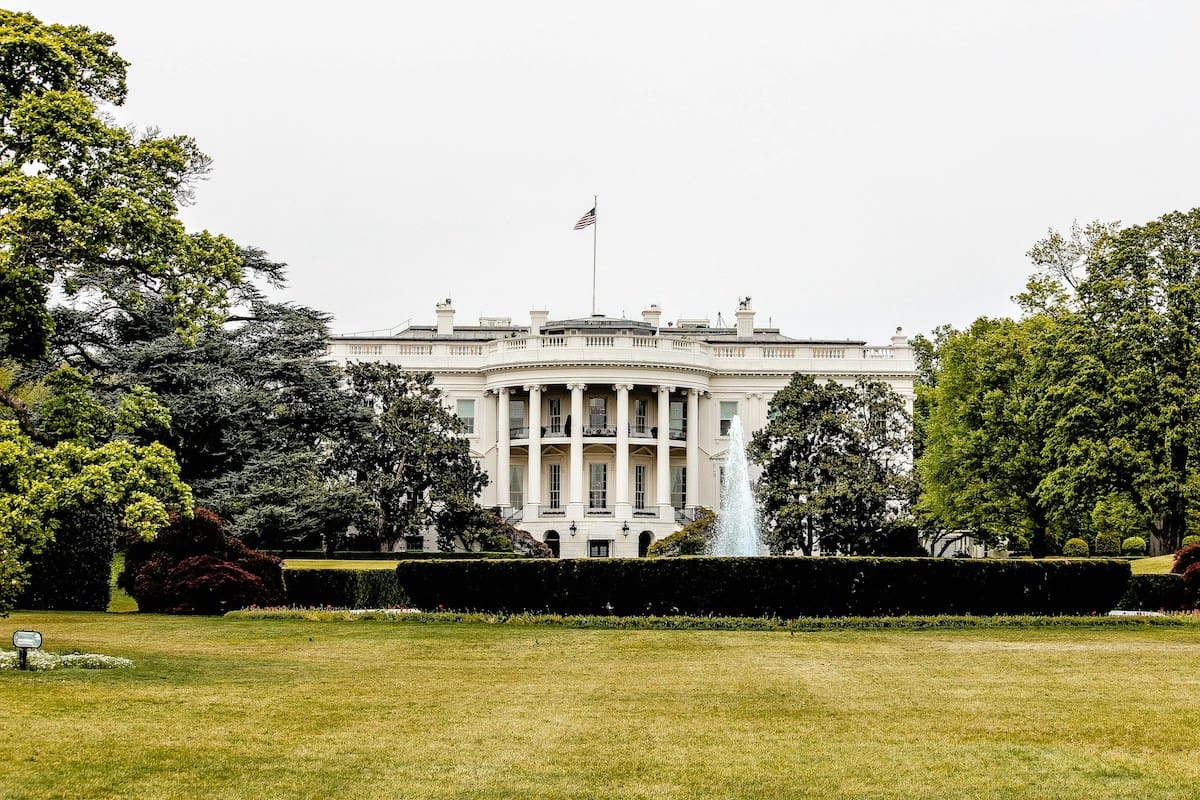
Adding to the political pressure is the fact that this weak confidence number is bound to create some headaches for the White House, especially with elections on the horizon. As covered by Free Malaysia Today, the drop in confidence makes it harder for the Republicans to paint a positive picture of the economy before November’s midterms.
On top of that, some commentators point out that outside economic factors are also affecting how people feel. Heather Long, chief economist at Navy Federal Credit Union, said the job picture isn’t great and highlighted the wider anxieties. She commented, “The low hiring rate is a problem,” and added, “With all the geopolitical uncertainties, namely Venezuela, Greenland, and what the Federal Reserve is doing, it’s no wonder Americans are frustrated with how the economy is shaping up.” It’s pretty interesting, right? These concerns about politics and world affairs are clearly spilling over into household attitudes.
For now, experts will keep a close eye on upcoming data about consumer spending, income, and employment to see if this drop in confidence is signaling a lasting slowdown or just a temporary reaction to headline fears. According to The Conference Board and various recent reports, how households actually spend in the near term will be crucial for the economy’s future trajectory.


