
By Alex Jones


MEET THE residents who defied all government and safety advice and refused to move out of their crumbling family homes – set in the exclusion zone of the worst nuclear disaster in history.
Chernobyl: For most it’s a name which conjures up images of nuclear hazmat signs, fleeing crowds, and deadly radioactive fires, as brought to life by HBO’s riveting account of the deadly catastrophe broadcast earlier this year.
For others, Chernobyl simply means home.
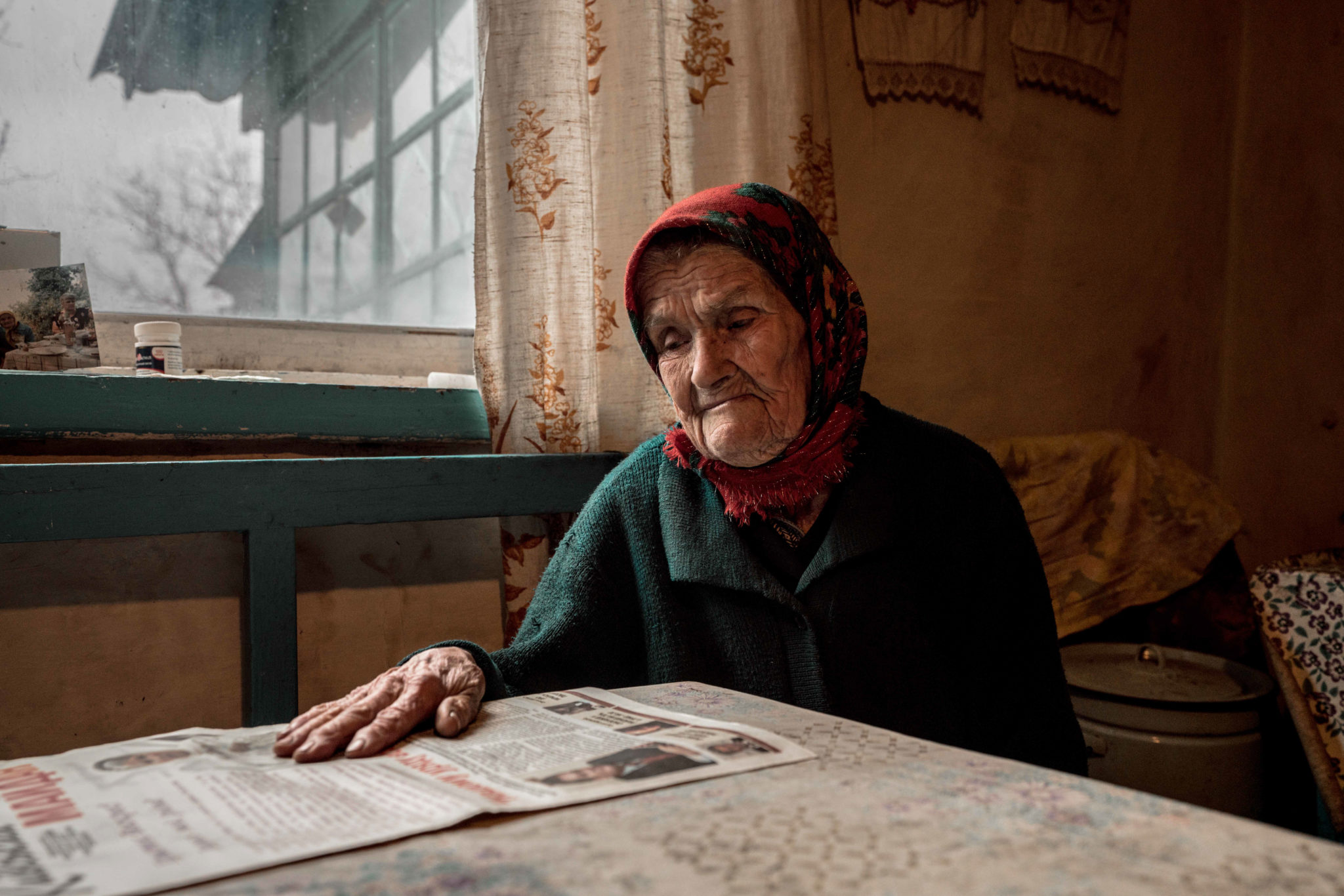
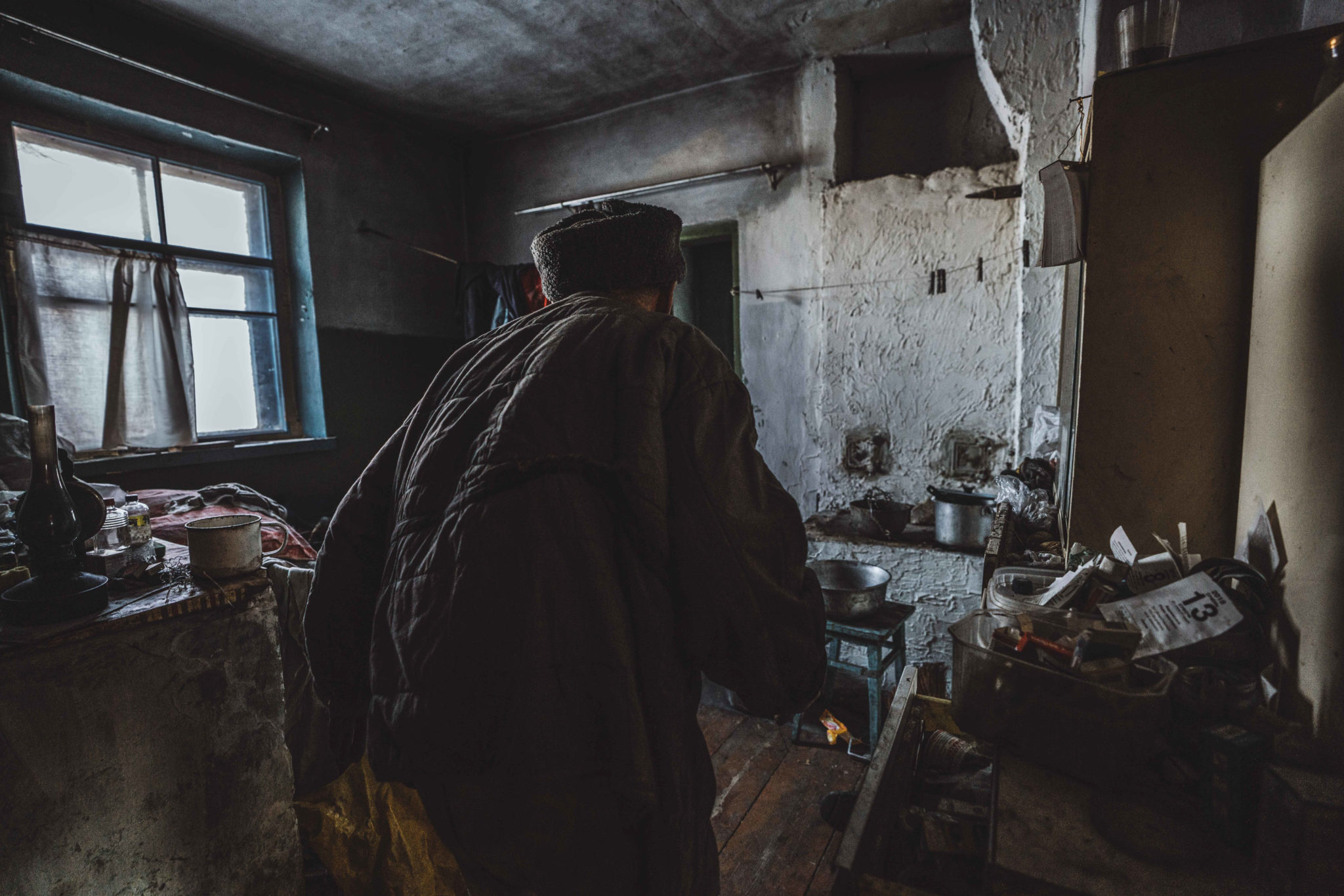
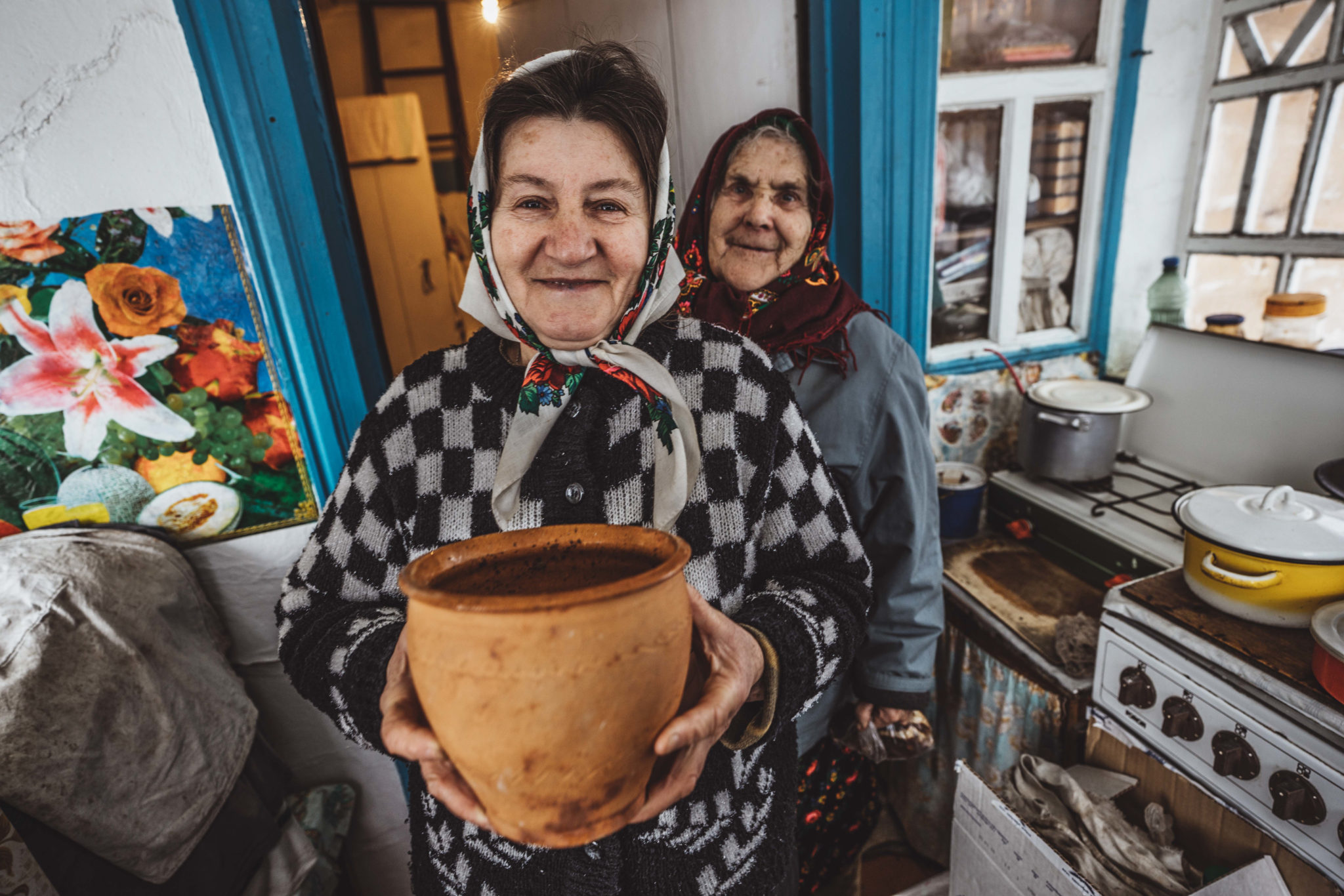
Striking images capture the hardy souls who refused to leave the properties their families have inhabited for generations. Photos include a cold-looking but stoic resident standing before her worn wooden house; the utilitarian décor inside the irradiated homes; and the shabby kitchen of an octogenarian Chernobyl stalwart.
The Chernobyl nuclear disaster of 1986 left a ring of ghost villages as residents fled, fearing radiation poisoning. But some people – around 150-300 – refused to go.
On 26 April 1986, Chernobyl suffered the world’s worst nuclear disaster. An experiment designed to test the safety of the power plant went wrong and caused a fire which spewed radiation for 10 days. Clouds carrying radioactive particles drifted across Europe, causing decades of havoc for hundreds of thousands of people, both near the epicentre and thousands of miles away.
Those living close to Chernobyl – over 100,000 people – were quickly rushed from the scene. A 20-mile exclusion zone was imposed around the damaged reactor. This was later expanded to cover more affected areas.
Over the next few months a further 234,000 people were moved out. Almost all left in a hurry. Some were given just a few hours to pack up all their belongings. Others were told they would only be gone a few days, but were never allowed back. Some simply locked their doors and waited for the fuss to die down.
Over recent years, Canadian photographer Robyn Von Swank adventured into the Chernobyl Exclusion Zone. Initially she expected to photograph a town full of ghosts but was surprised to find that not all have deserted the toxic zone, even though it has been deemed unfit for human habitation. Ignoring safety concerns and the fact it’s actually illegal to live in the red zone, dozens of people still go about their daily lives in the shadow of the forsaken reactor.
After Robyn’s first trip in 2016, she wanted to return to document those that defied the government and never left. She hired a private guide and he took her into parts of the Exclusion Zone that not many people can go to and she saw many abandoned villages.
Bizarrely, it was not the radiation that posed the biggest threat to the Canadian photographer even though thousands of people have died as a result of the nuclear disaster (estimates vary from 4,000-27,000 dead).
As Robyn was exploring one of the abandoned towns, she noticed footprints behind her and discovered that a pack of wolves were following her.
“Thankfully, the predators have a bounty of prey to eat already, because the Zone continues to grow as a biodiverse forest where animals don’t worry about being killed by humans anymore,” she recalled with a smile.
Robyn visited the re-settlers who were all over the age of 80, except for two who were in their 50s. The Canadian arrived just in time for Russian New Year and was invited into the local’s homes to enjoy a feast of cabbage rolls, pork fat, pickled mushrooms, blinis, potatoes and more Ukrainian cuisine.
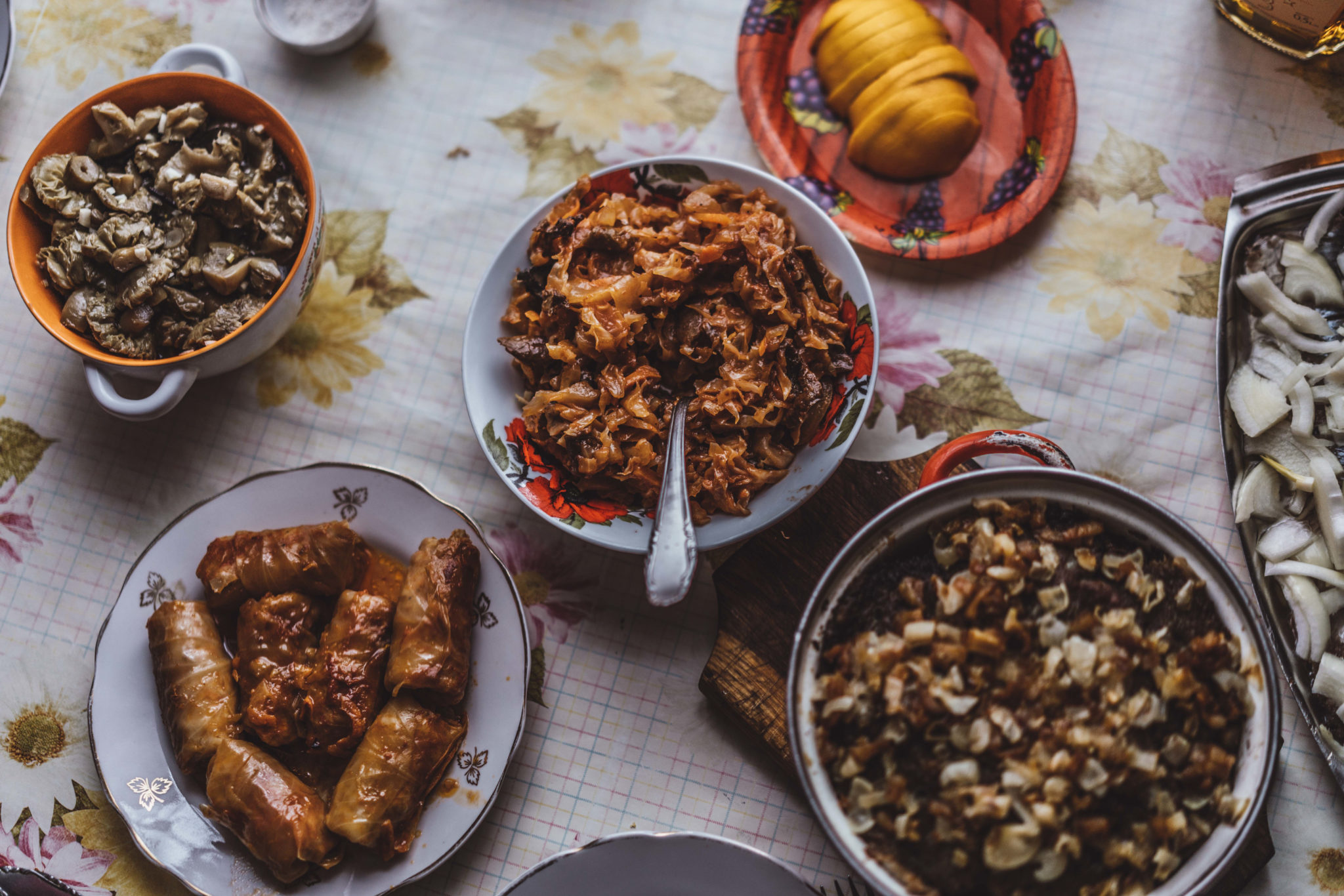
“The people were warm and welcoming and spoke openly about their histories. Some sobbed when speaking of the incident, having been affected so personally,” Robyn added.
One of the residents, Maria, is the only living person in her village and is miles away from anyone else – but she will never leave her home. She survived the Nazi invasion in World War 2, the Chernobyl accident and lived under Soviet rule. Another resident, Baba Olga was an old woman who never had any children so she had few visitors. But she once had a vibrant social life with the other residents. When Robyn left her house, Baba Olga stuffed her pockets full of candy and apples and hugged and kissed her affectionately.
Somewhat paradoxically, the population of the exclusion zone is growing. Several families have relocated to the quiet, overwhelmingly cheap neighbourhoods surrounding Chernobyl in recent years, many fleeing the war that rages between Ukraine and Russia to this day.