
Media Drum World
  • News
  • Lifestyle
    • Sex & Relationships
  • Business
  • Tech
  • Travel
  • Sport & Games
  • News
  • Lifestyle
    • Sex & Relationships
  • Business
  • Tech
  • Travel
  • Sport & Games
Write for us
Century-Old Photos Reveal The Hardships Of Eskimos In The Early 1900s During America’s Gold Rush Era

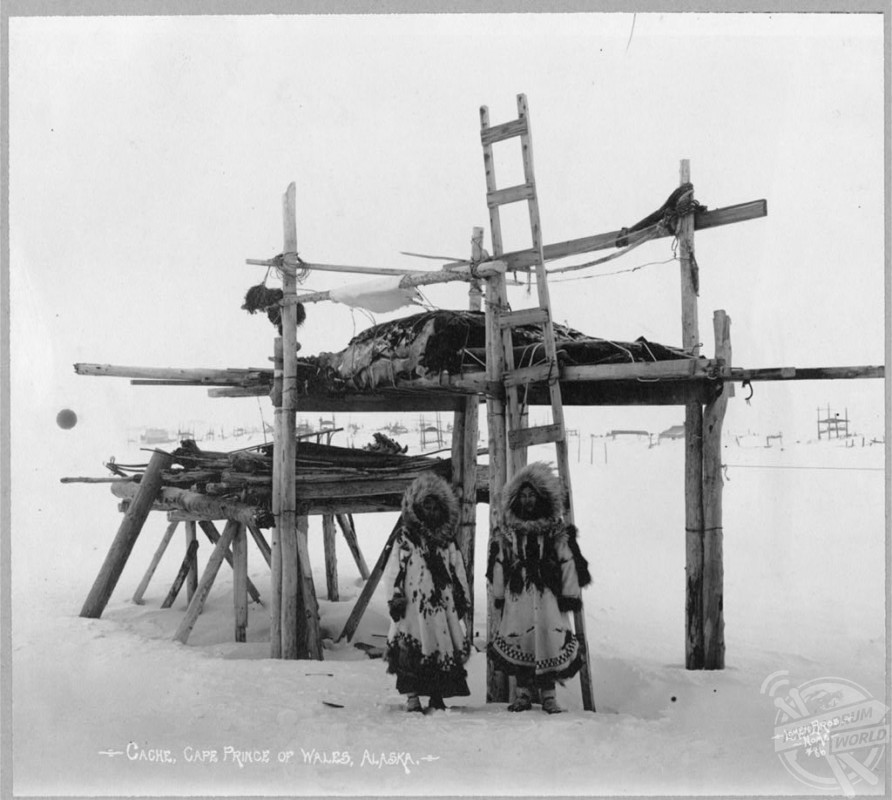
Eskimo women and storage place. Public Domain / mediadrumworld.com

Century-Old Photos Reveal The Hardships Of Eskimos In The Early 1900s During America’s Gold Rush Era

5th March 2018
in History
0
Share on FacebookShare on Twitter

By Ben Wheeler

FASCINATING images dating back over one-hundred-years have resurfaced this week, providing an insight into the lives of early twentieth century eskimos during one the biggest gold rushes on the North American continent.

You might also like

The Black And White Images That Were Colourised To Give A Lease Of Life To WWII Photgraphy

The Black And White Images That Were Colourised To Give A Lease Of Life To WWII Photgraphy

Eerie Images From The Cold War Resurface Showing Soviet Nuclear Testing

Eerie Images From The Cold War Resurface Showing Soviet Nuclear Testing

The pictures, taken by Henry and Alfred Lomen in the 1900s, reveal the living conditions and pastimes enjoyed by the native population of Nome, Alaska.
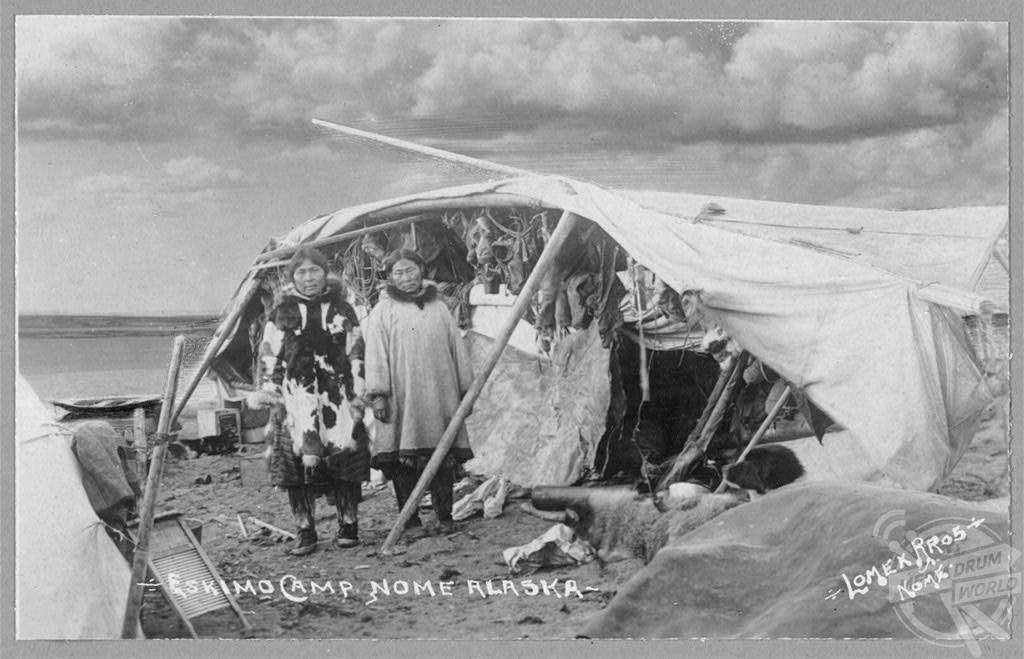
Century-Old Photos Reveal The Hardships Of Eskimos In The Early 1900s During America's Gold Rush Era
Eskimo camp. Public Domain / mediadrumworld.com


Among them are a mother and child sat at an outdoor kitchen facility, whilst another shows hunters having just killed a walrus for their settlement’s next meal.

Additional snaps reveal the eskimos taking part in sport activities, as one appears to walk a tight rope, whilst a group of men are seen to be performing a ceremonial dance for their fellow villagers in another.
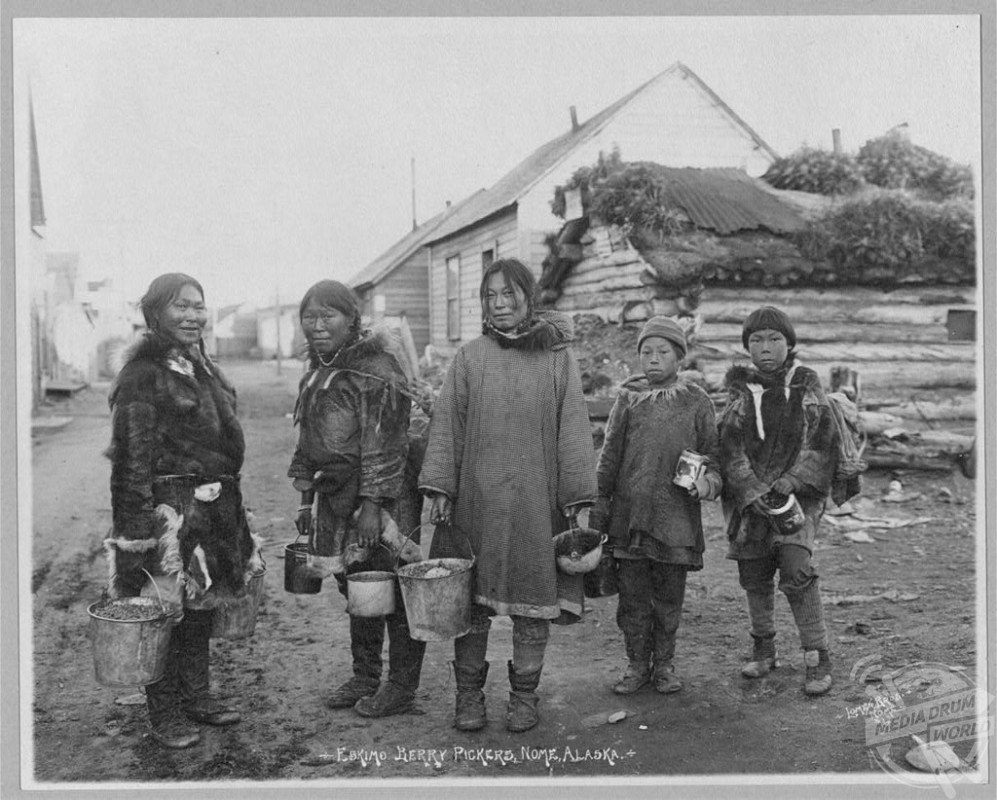
Century-Old Photos Reveal The Hardships Of Eskimos In The Early 1900s During America's Gold Rush Era
Eskimo berry pickers. Public Domain / mediadrumworld.com


Henry and Alfred Lomen, commonly known as the Lomen Bros, are a major source of coverage of Alaskan history.

The two brothers moved to Alaska in 1903 along with their mother and brother Ralph, joining their father and oldest brother Carl, who had both moved there three years earlier.
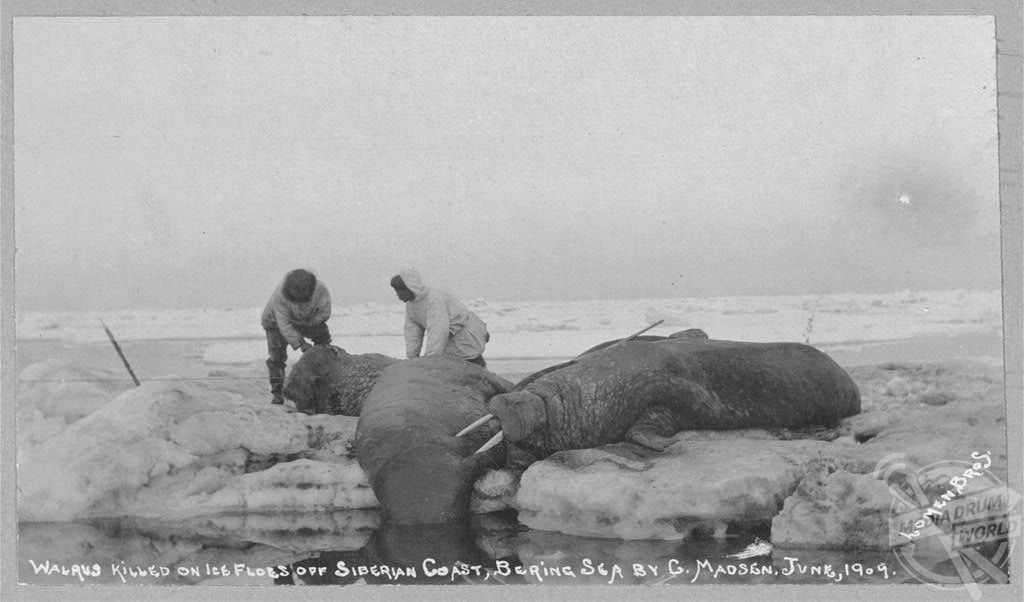
Century-Old Photos Reveal The Hardships Of Eskimos In The Early 1900s During America's Gold Rush Era
Walrus killed on ice floes off Siberian Coast, Bering Sea by G. Madsen, June 1909. Public Domain / mediadrumworld.com


The family was involved in many commercial and civic interests including law, their reindeer corporation, lighterage, retail as well as photography.

In 1908, the brothers bought a photographic studio which Harry managed, with all the siblings taking photographs, quickly learning how to keep cameras in working order at Arctic temperatures.

Century-Old Photos Reveal The Hardships Of Eskimos In The Early 1900s During America's Gold Rush Era
Eskimo hunters cutting up a walrus. Public Domain / mediadrumworld.com


Alfred became particularly interested in photography, taking most of the pictures in their collection. However, in September 1934, a fire destroyed the studio destroying most of their negatives and prints.

The studio never reopened and by the 1940s the family moved en masse to Seattle, Washington where they lived out the rest of their days.
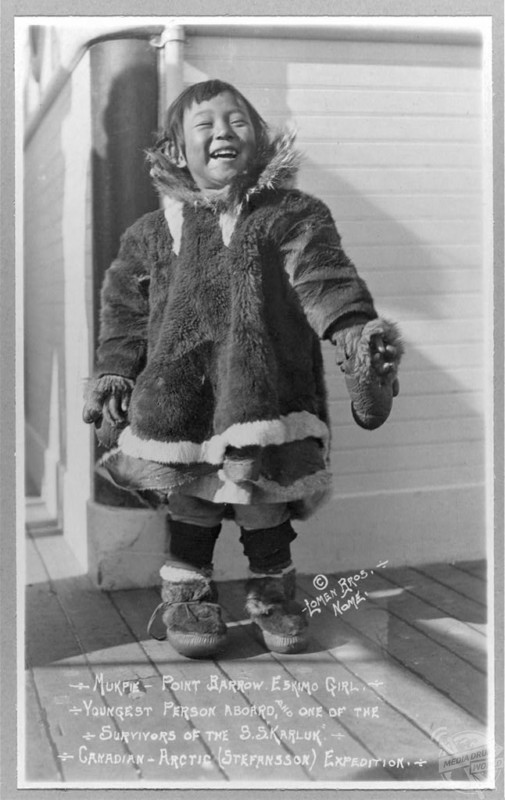
Century-Old Photos Reveal The Hardships Of Eskimos In The Early 1900s During America's Gold Rush Era
Mukpi, Eskimo girl, youngest survivor of the S.S. Karluk. Public Domain / mediadrumworld.com


Nome was a particularly lucrative place to be at the turn of the 20th Century and was home to the Nome Gold Rush between 1899 and 1909 after scores of easily accessible gold was discovered by a group of three prospectors known as the “Three Lucky Swedes”, who were American citizens of Scandinavian origin.

Word soon got out about their discovery, leading to a population increase of over three-hundred-and-fifty percent as people flocked to the city in a bid to share in its riches.
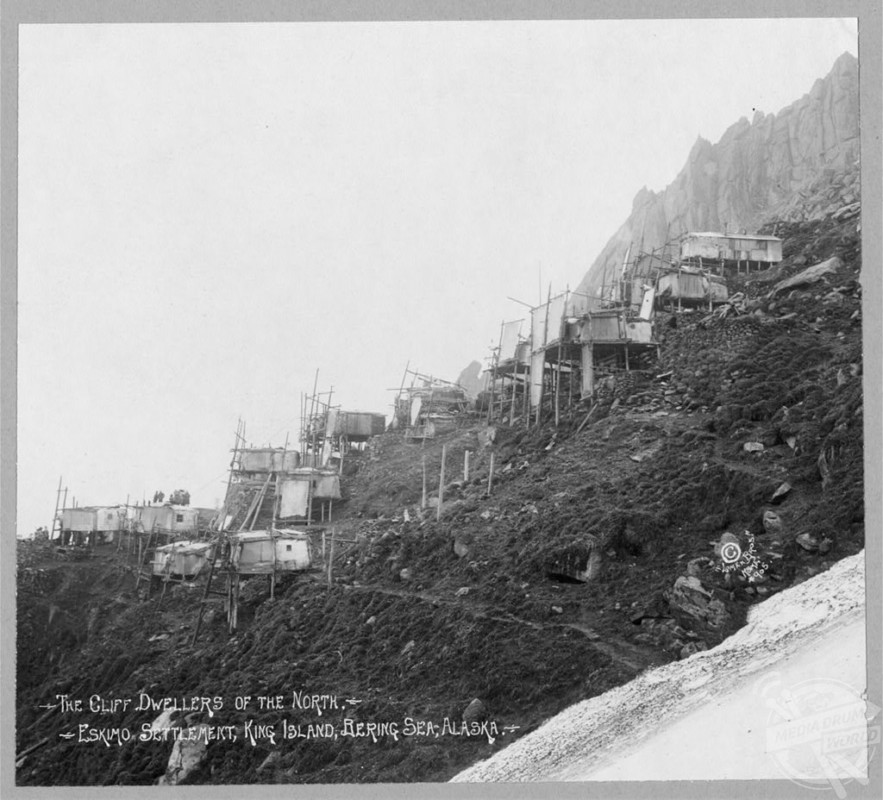
Century-Old Photos Reveal The Hardships Of Eskimos In The Early 1900s During America's Gold Rush Era
Eskimo cliff dweller settlement. Public Domain / mediadrumworld.com


However, the migrants weren’t all desirable people, with veteran prospector E. C. Trelawney-Ansell reporting at the time; “Nome was a place where the creeks and the town itself filled with thousands of cheechakos who had never known the hardship of the trail and few if any other hardships.

“Worse still, the camp and surrounding country was filled with gamblers, cutthroats and murderers of the worst kind.”
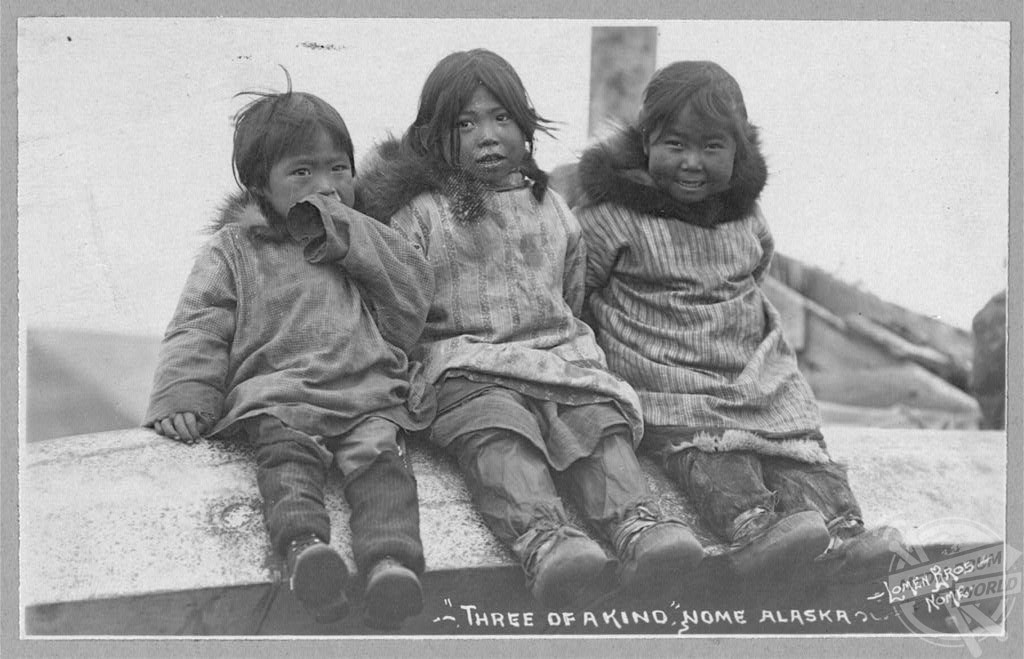
Century-Old Photos Reveal The Hardships Of Eskimos In The Early 1900s During America's Gold Rush Era
Three Eskimo children seated side by side. Public Domain / mediadrumworld.com


Nome claims to be home to the world’s largest gold pan, although this claim has been disputed by the Canadian city of Quesnel, British Colombia.

Popular culture is also littered with references to the city, for example in The Simpsons Movie when the family move to a log cabin in Alaska, Marge is seen knitting a tapestry that says, “Nome Sweet Nome” implying this is where the family had taken up residence.
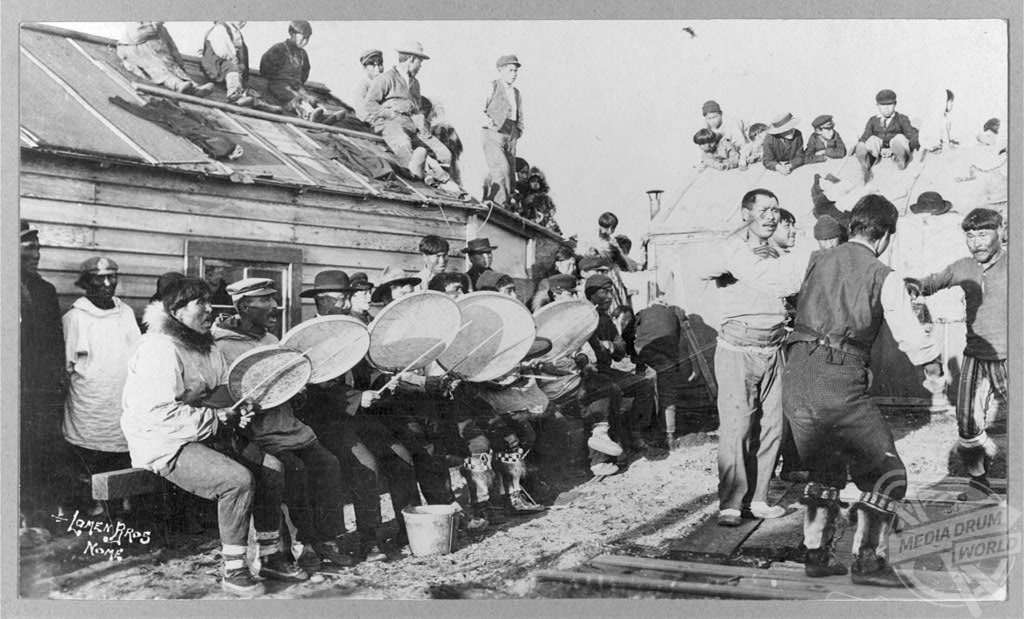
Century-Old Photos Reveal The Hardships Of Eskimos In The Early 1900s During America's Gold Rush Era
Ceremonial dance. Public Domain / mediadrumworld.com


Nome was also the setting for the 2009 sci-fi/horror film The Fourth Kind, starring Milla Jovovich and a 1993 episode of the television series, X-Files.

Tags: 1900s20th centuryAlaskaartcticcultureeskimogold rushhistorypast
picturedesk

picturedesk

Related Stories

The Black And White Images That Were Colourised To Give A Lease Of Life To WWII Photgraphy

The Black And White Images That Were Colourised To Give A Lease Of Life To WWII Photgraphy

by picturedesk
0

STRIKING pictures of the fighter planes and bombs used during World War Two have been given a new lease of...

Eerie Images From The Cold War Resurface Showing Soviet Nuclear Testing

Eerie Images From The Cold War Resurface Showing Soviet Nuclear Testing

by picturedesk
0

Images of huge mushroom clouds from Soviet Nuclear testing offer a reminder of what it was like to live during...

Look inside this creepy abandoned funeral home with something scary in the coffin

Look inside this creepy abandoned funeral home with something scary in the coffin

by picturedesk
0

By Aimee Braniff Cree EERIE IMAGES show an abandoned funeral home that has a terrifying mannequin in a coffin and...

Newly Colourised Pictures show the Lives of the Romani gypsies of Kent Over the past 70 Years

Newly Colourised Pictures show the Lives of the Romani gypsies of Kent Over the past 70 Years

by picturedesk
0

By Aimee Braniff Cree COLOURISED IMAGES will transport you back in time to witness the rich history of the Romani gypsies of Kent from the...

Next Post
Despite Training Hard, This Woman Gained Weight, Developed Bruises And Lost Hair – Until Discovering She Had A Rare Hormone Condition

Despite Training Hard, This Woman Gained Weight, Developed Bruises And Lost Hair - Until Discovering She Had A Rare Hormone Condition

Please login to join discussion
Media Drum World

Independent News

Media Drum World is an independent UK publication telling original human-interest stories, features and investigations, with photography and video from around the world.

About us

Contact Information

  • Guest posts & partnerships: [email protected]
  • Editorial & story tips: [email protected]

Useful Links

  • Terms of Service
  • Privacy Policy

Latest Features

Sailing volunteers remove tonne of rubbish from remote Cornwall and Scilly coastlines

Are football academies destroying youth football

The Great Youth Football Con: How Parents Are Being Sold a Dream While Grassroots Football Dies

No Result
View All Result
  • News
  • Editorial
  • Lifestyle
  • World
  • History
  • Travel
  • Environment
  • Video
  • Tech
  • Business
  • Sport & Games
  • Work with us
  • About & contact
  • Write for us
  • Sex & Relationships

© 2026 Media Drum World. Independent news, features & photography.