
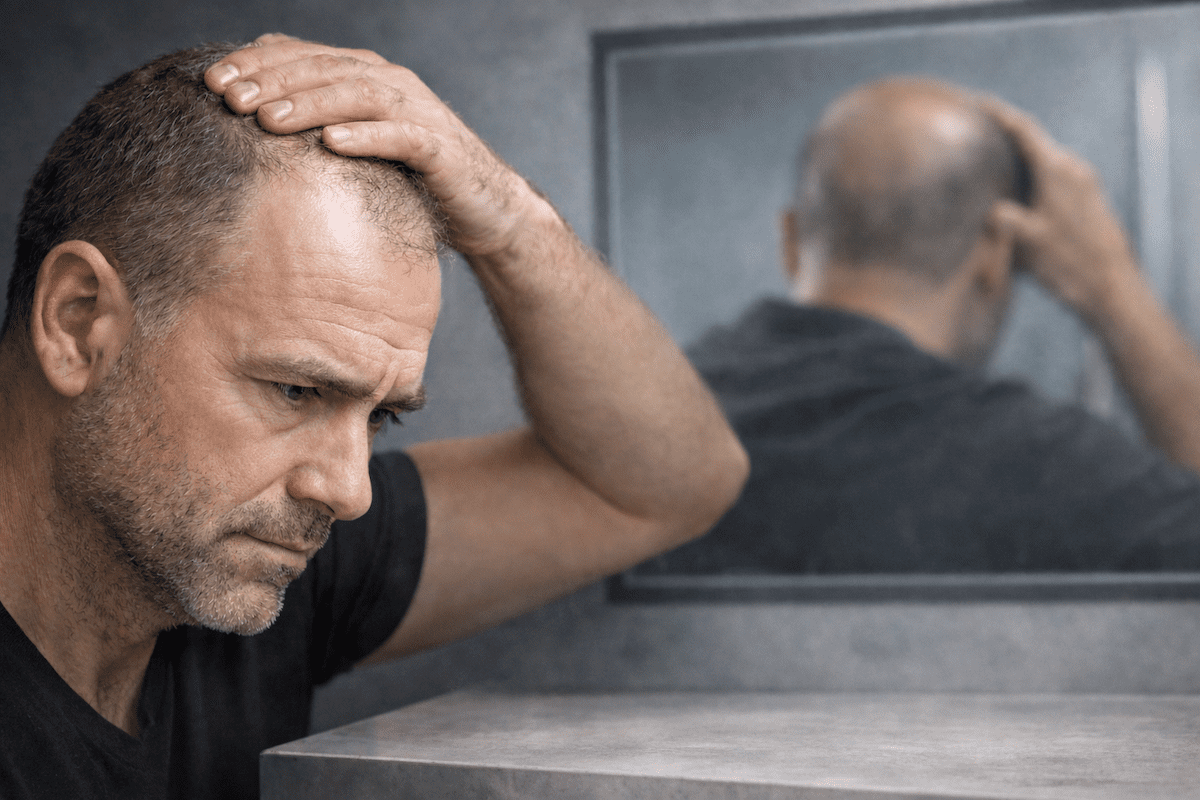
For millions of men around the world, hair loss is not just a cosmetic issue but a deeply personal experience tied to identity, confidence, and aging. Once whispered about or hidden beneath hats, male hair loss has increasingly become a mainstream topic, fueled by social media, celebrity openness, and a growing market of products promising solutions.
Medical experts estimate that around two-thirds of men will experience some degree of hair loss by the age of 35, with the most common cause being androgenetic alopecia, often referred to as male pattern baldness. The condition is largely genetic and influenced by hormones, particularly dihydrotestosterone (DHT), which can cause hair follicles to shrink over time. As follicles shrink, hair becomes thinner and shorter until growth eventually stops.


Despite its prevalence, the emotional impact of hair loss can be significant. Studies have linked hair thinning to reduced self-esteem, anxiety, and even depression, particularly in younger men who feel they are losing their hair earlier than expected. “Hair is closely tied to how men see themselves and how they believe others see them,” says Dr. Alan Morris, a dermatologist specialising in hair disorders. “When it starts to go, it can feel like a loss of control.”
The experience of hair loss is rarely straightforward. Some men notice a gradual recession at the temples, while others see thinning at the crown or more diffuse shedding across the scalp. Stress, illness, certain medications, and nutritional deficiencies can also contribute, making it difficult to pinpoint a single cause. This complexity often leads men down a confusing path of trial and error when seeking treatment.
The global hair loss treatment market, valued in the billions of dollars, reflects both the demand for solutions and the uncertainty surrounding them. Shelves are crowded with shampoos, supplements, topical treatments, and devices, each claiming to slow, stop, or reverse hair loss. Yet experts caution that not all products are created equal.
Among the most widely recognised treatments are minoxidil and finasteride, both approved in many countries for treating male pattern baldness. Minoxidil, commonly sold as a topical foam or liquid, works by prolonging the growth phase of hair follicles and improving blood flow to the scalp. Finasteride, an oral medication, targets the hormonal pathway by reducing DHT levels. While both have been shown to be effective for some men, results vary, and they require consistent, long-term use to maintain benefits.
Beyond pharmaceuticals, a new wave of products has entered the market. Low-level laser therapy devices, including combs and caps, claim to stimulate follicles using light energy. Microneedling tools, designed to create tiny punctures in the scalp, are marketed as a way to boost absorption of topical treatments. There are also cosmetic options, such as hair fibers and scalp concealers, which do not address hair loss itself but can provide immediate visual coverage.
Lifestyle-focused products have gained popularity as well. Supplements containing biotin, zinc, and saw palmetto are widely advertised, though scientific evidence supporting their effectiveness for hair regrowth remains mixed. Dermatologists often advise men to approach such products with realistic expectations and to address underlying health factors before relying on supplements alone.
At the same time, attitudes toward baldness are slowly shifting. Public figures and athletes have embraced shaved or bald looks, challenging the idea that hair is essential to masculinity. For some men, acceptance becomes the most effective solution.
As research continues and the market expands, experts emphasise the importance of informed decision-making. Consulting a medical professional, understanding the cause of hair loss, and being wary of exaggerated claims can help men navigate an often overwhelming landscape. Hair loss may be common, but the journey through it remains uniquely complex for each individual.


